Tuesday | Oct 21 | 6pm
Screening @ Deluge
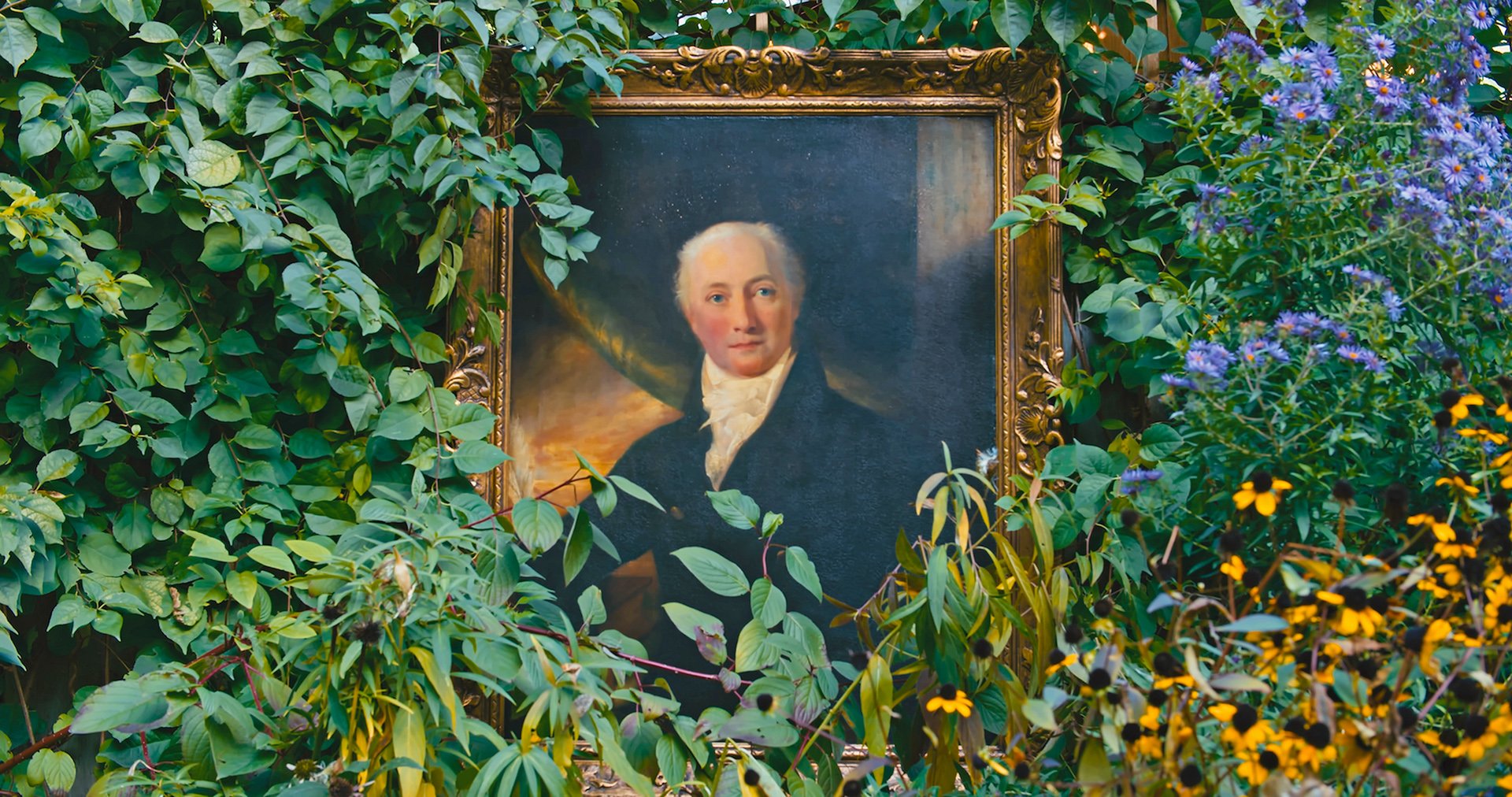
Animal Eye
Process and prescription: how flora and fauna respond to colonial transgression.
Watch Online Free: Wednesday, Oct 22 (24hrs)
¿se puede deletrear la hoja?
Valentina Alvarado Matos | 2023 | Canada | 9 min | Vic Premiere
Analog filmmaking, like ceramics, involves manual labour: manipulating the reels, kneading clay, cutting the film strip and splicing it together but also putting it into the kiln or sending it to the lab: all processes that require time and patience. Craft and cinema, both in their content and in their conceptual and formal strategies, are very much linked to notions of gesture and tactile processes.
Valentina Alvarado Matos is an artist whose practice focuses on moving images, shaped by a perspective that reflects on diaspora, landscape and gesture. Her work has been showcased at Pesaro Film Festival, Viennale, International Film Festival Rotterdam, L’Alternativa, Oberhausen, Punto de Vista, Ambulante, XCentric, SFCinemateque, Cinemateca Madrid, Filmoteca de Cataluña, Los Angeles Forum, among others. She combines her artistic practice with teaching, having given classes and workshops at institutions such as Massana, Master LAV, Eina Barcelona, Can Felipa Ars Visuals, Centre Cultural Albareda, Universidad del Zulia, Universitat de Barcelona and the EICTV International School of Film and Television in San Antonio de los Baños, Cuba.
diario de verano [summer diary]
Francisca Duran, Cristal Buemi | 2024 | Canada | 5 min | W Cdn Premiere
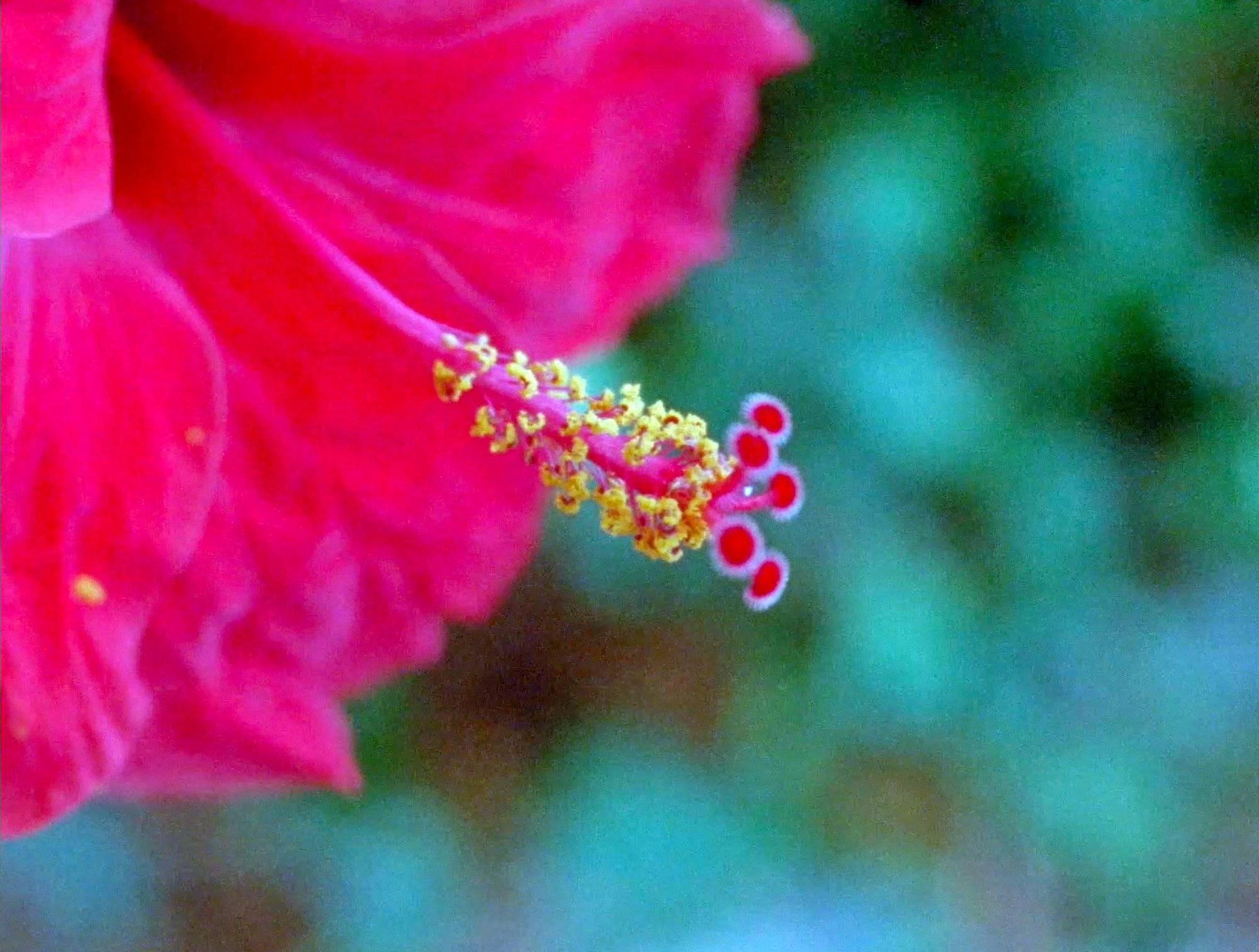
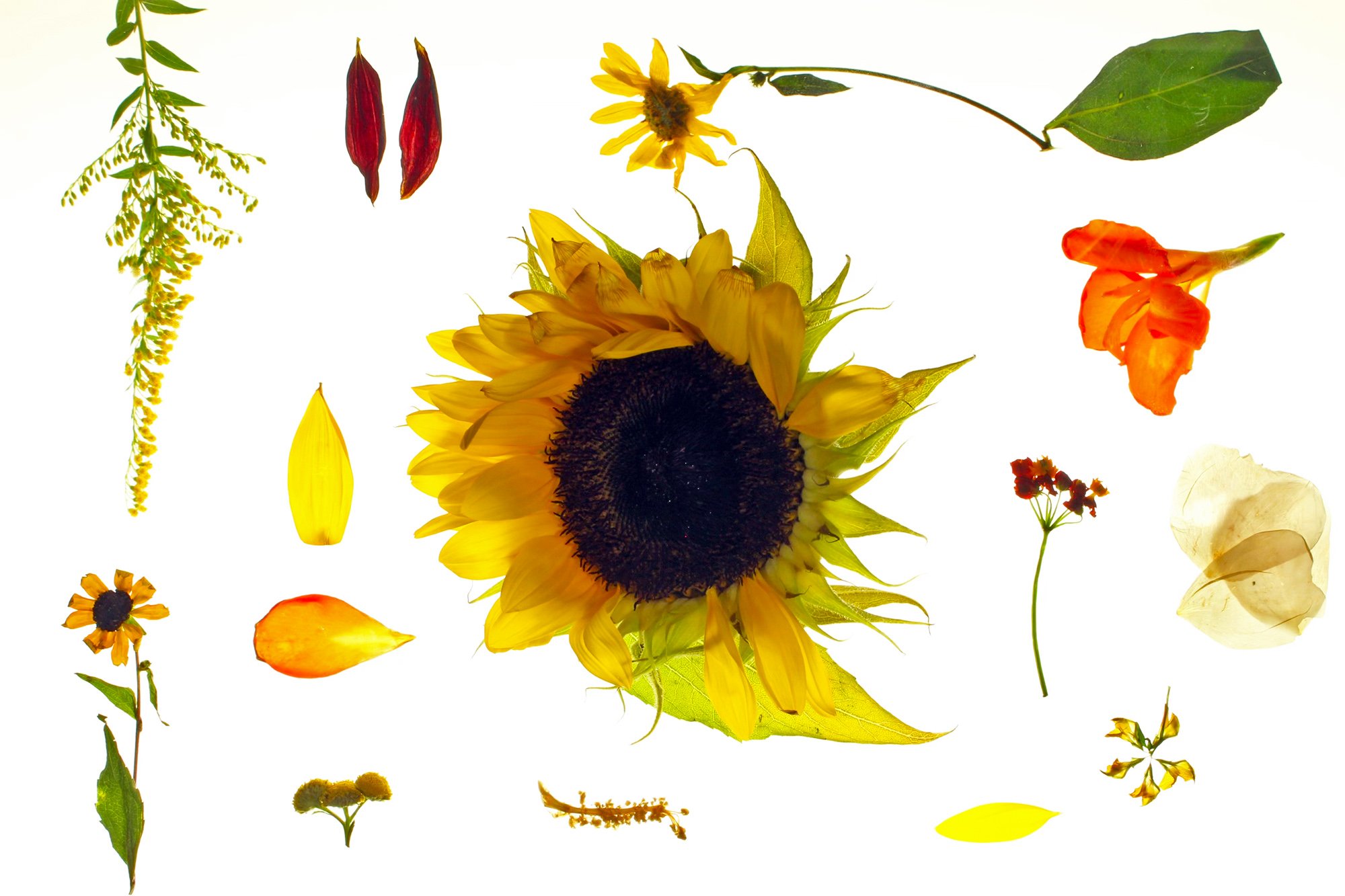
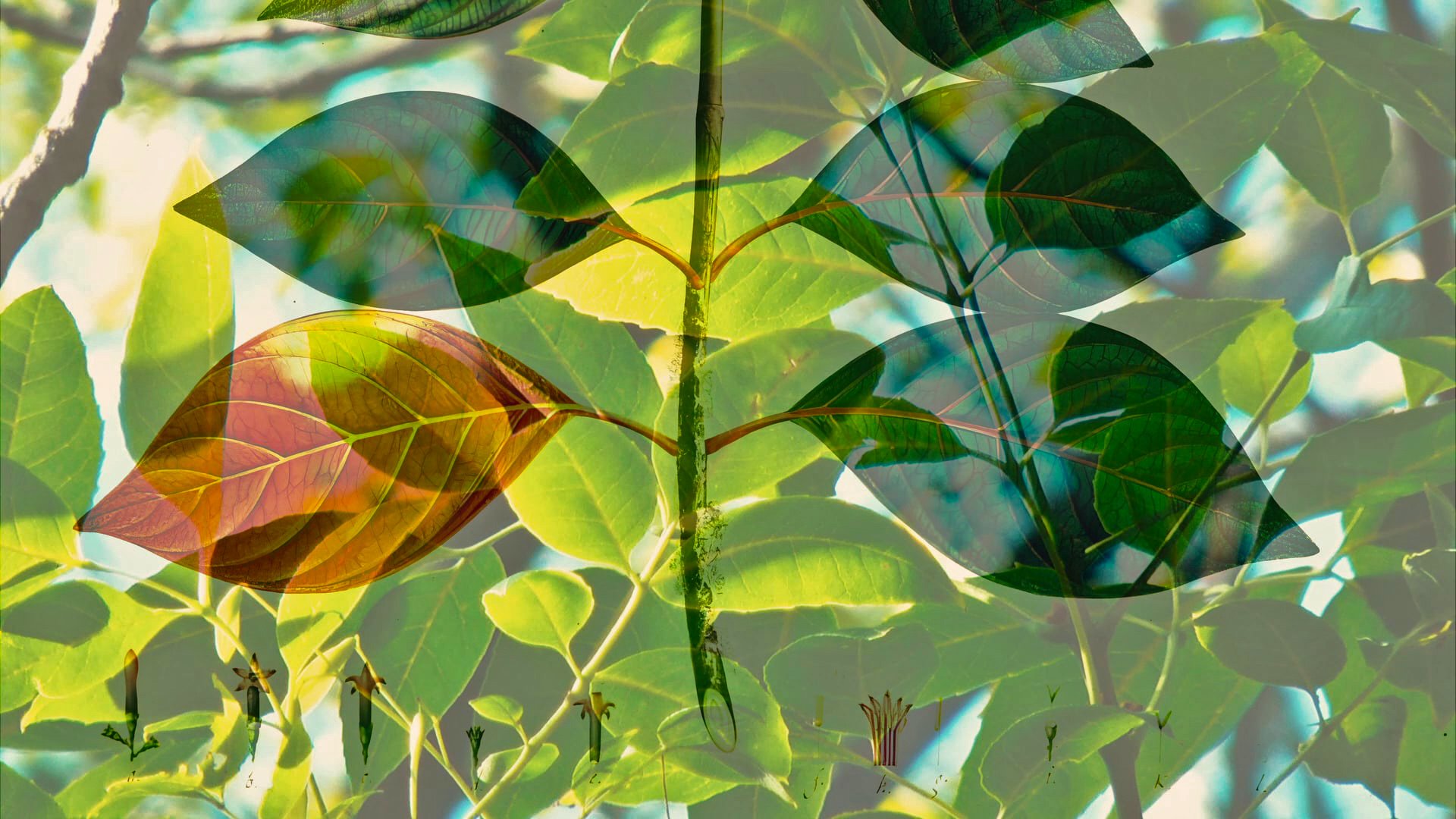
diario de verano is an exploration of neighbourhood flora in Tkaronto, focusing on Kensington Market, Parkdale and Wallace – Emmerson, areas we live and move through. Experimentation with abstract movement and the physical, compositional properties of foraged materials, strengthened our community/kinship to the land and each other. Artistic practices were explored and shared through gathering rituals, stop motion animation and phytograms, creating complex layers of ourselves intertwined through our latinx identities in this short film.
anivides is the interweaving experimental works of multidisciplinary artists Cristal Buemi and Francisca Duran focusing on analog and digital frame-by-frame approaches to showcase their abstract, study and practices. Exploring the idea of weight on our structures due to environments, experiences and their direct relations to trauma, healing and transformation. With a focus on collages of bodily works both in human and plant forms from a diasporic immigrant, bipoc, femme, queer and intergenerational perspective.
The Rabbit Always Dies
Oona Taper | 2025 | USA | 9 min | Cdn Premiere
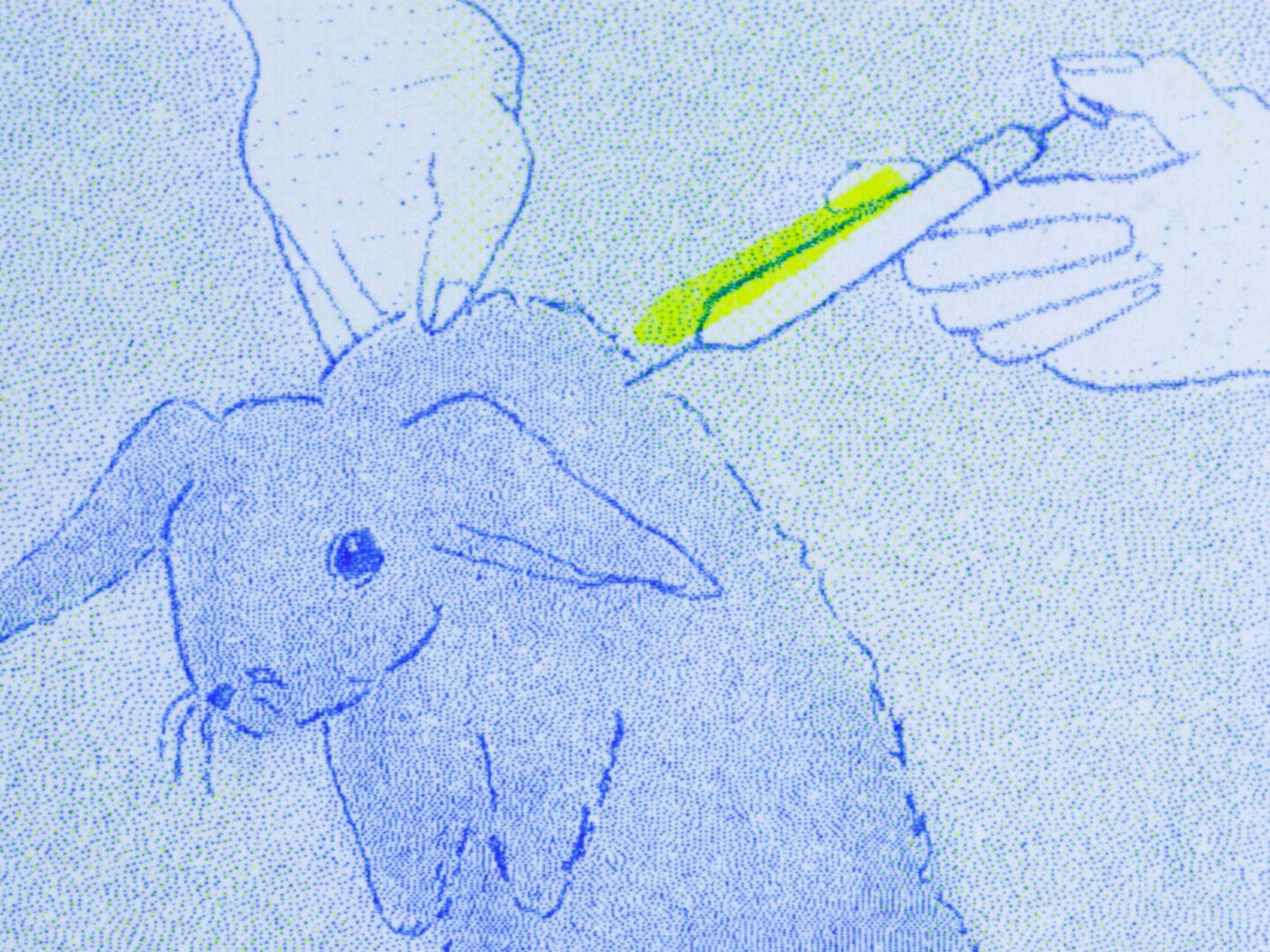
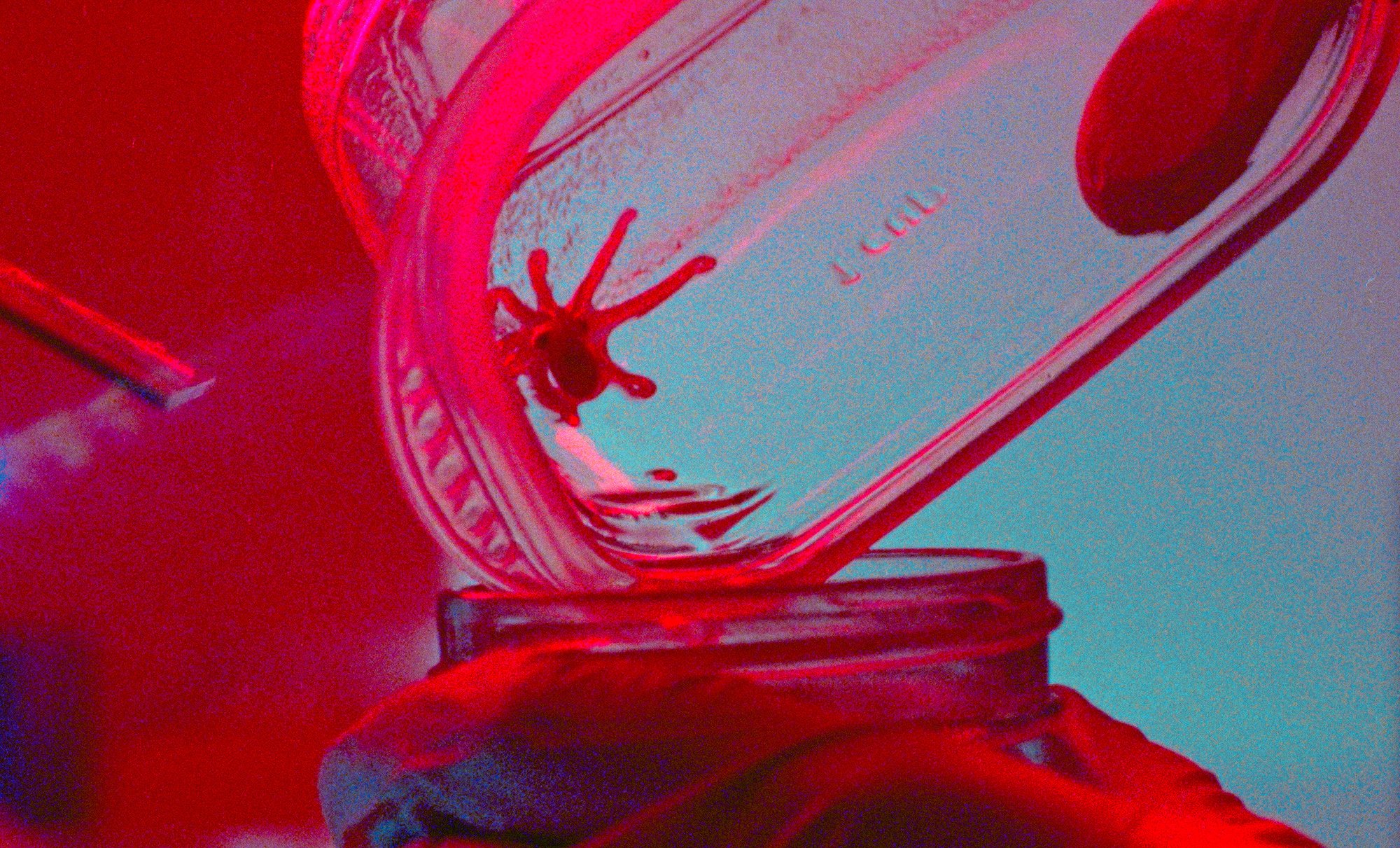
An experimental documentary that reveals both the facts and fantasies of the history of pregnancy tests from the 1930s–60s which relied on the use of live frogs and rabbits. These pregnancy tests changed the world: they expanded our understanding of hormones, gave women more reproductive choice and caused ecological crisis—decimating certain amphibian populations.
Oona Taper is a Chicago-based artist creating films, installations and animations that are invested in the materiality of moving images. Her work responds to current and historical events with whimsy and daydreams to contend with the constant mundane apocalypses of the modern world.
Animal Eye
Carlo Nasisse | 2025 | Costa Rica/USA | 14 min | Cdn Premiere
Scientists and philosophers encounter the limits of their own vision through the eyes of animals.
Carlo Nasisse is a director and cinematographer whose work explores ecology and the relationships between humans, landscapes and politics. His films have been supported and exhibited by The New Yorker, POV Shorts, PBS, the Times Art Center in Berlin and the Rockbund Museum of Art in Shanghai, and have screened at major festivals including SXSW, Camden International, Oberhausen, SFFILM and Slamdance. He has received grants from the Austin Film Society, Jigsaw Productions, the Wenner-Gren Foundation and FOCINE. Carlo holds an MFA in Documentary Film and Video from Stanford University.
Mrs. Zhao’s Hat
LEOW (Dian Wang) | 2023 | China | 5 min | Cdn Premiere
In the rural landscape of Zhejiang, a simple bamboo hat becomes the centrepiece of this work. Casually placed on the grass, its slightly curled edges and faded bamboo strips bear the marks of time and daily use. This is an ordinary object, presented in its natural state, without the need for excessive explanation.
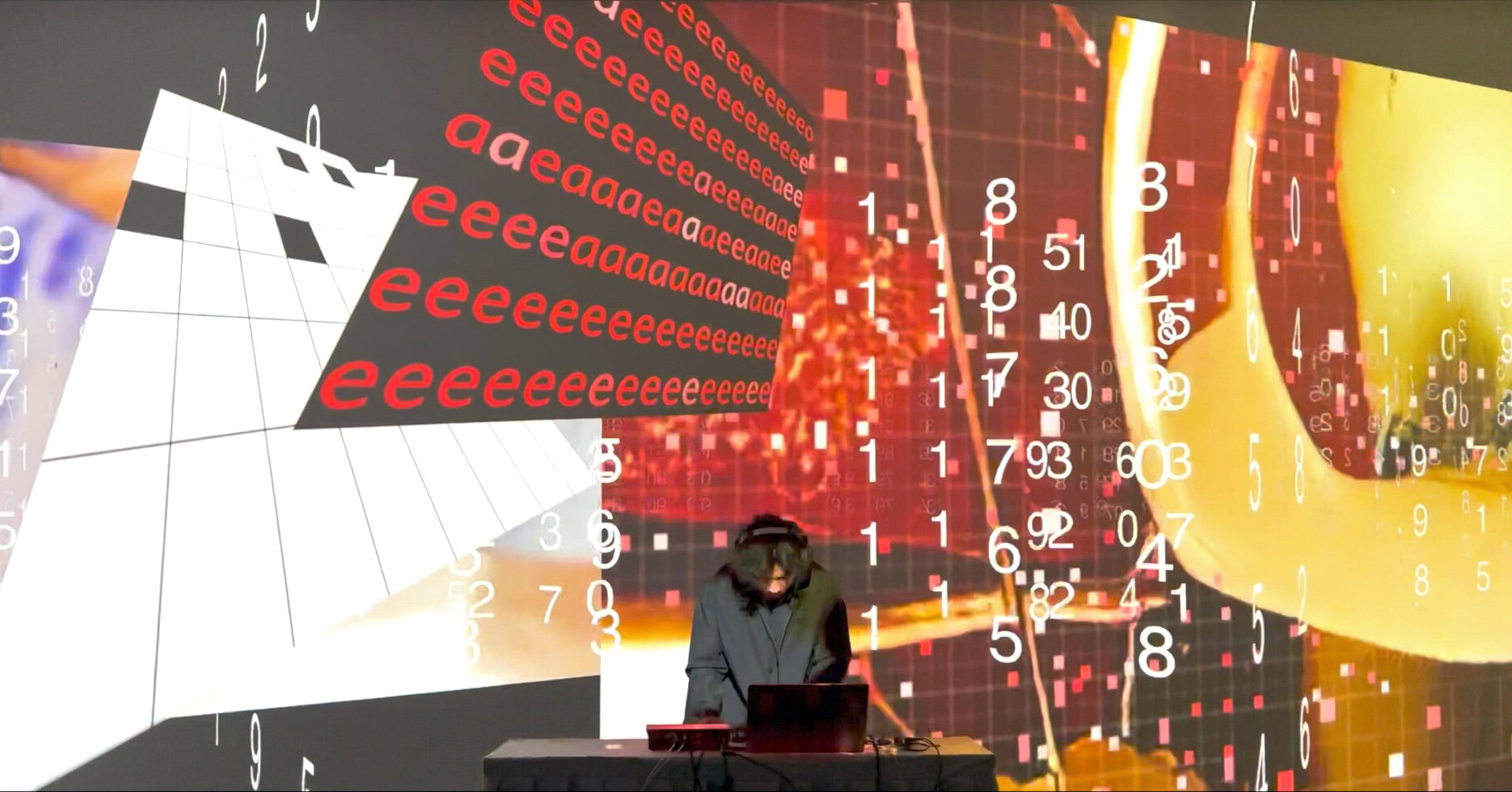
LEOW (Dian Wang) is a Shanghai-born visual artist, music producer and digital creator specializing in digital space design, audiovisual production and computational arts. His work explores the fusion of Asian culture and modern technology, utilizing generative visuals, projection mapping and immersive installations to create multi-sensory experiences. His artistic practice challenges perceptions of reality and examines how technology reshapes human interactions with space, sound and memory. LEOW studied in the United Kingdom before working at Remote Control Productions in Los Angeles, where he focused on film scoring and audiovisual storytelling. His international background allows his work to blend Western cinematic aesthetics with Eastern cultural traditions. In 2021, he founded Asian Tribe Project, a platform dedicated to multimedia collaborations and cross-disciplinary development of Asian cultural arts.
MA-QUINA [quinine machine]
Sebastian Wiedemann | 2024 | Colombia | 8 min | Cdn Premiere
Colonial ghosts do not stop h(a)unting and devouring vegetalities. For centuries they have made the world work for the sake of a single world/ing, while others are ab/used and annihilated. The quinine pharmacy is an example of the strength of their machinery. Fever of conquest contrasted to a feverish state and a trance of perception; feverish images contrasting a world that burns, a quinine machine. Archival malaria, the quinine in constant variation, the plant in constant differentiation, the Bora and Uitoto conjuring, the cosmos reclaiming. Ma-quina.
Sebastian Wiedemann is a Colombian filmmaker-researcher and philosopher-practitioner of cinematic modes of experience. His works investigate liminal intersections animated through experimental cinema and philosophy, aware of a possibility for thought-cinema as living poetic ecology and a surface for the affirmation of a cosmopolitics of image. His award-winning films including Obatala Film and Deep Blue have screened in venues around the world and at retrospectives in Colombia, Brazil, Mexico, Spain and Ireland. In 2015 Wiedemann’s Los (De)pendientes was included in Artforum’s list of the best films of the year and in 2017 his Abismo was included in the film series Ism Ism Ism: Experimental Cinema in Latin America at Los Angeles Filmforum. In 2024 he was invited to participate in the 15th Havana Art Biennial (Cuba).
The Everlasting Pea
Su Rynard | 2024 | Canada | 17 min | W Cdn Premiere
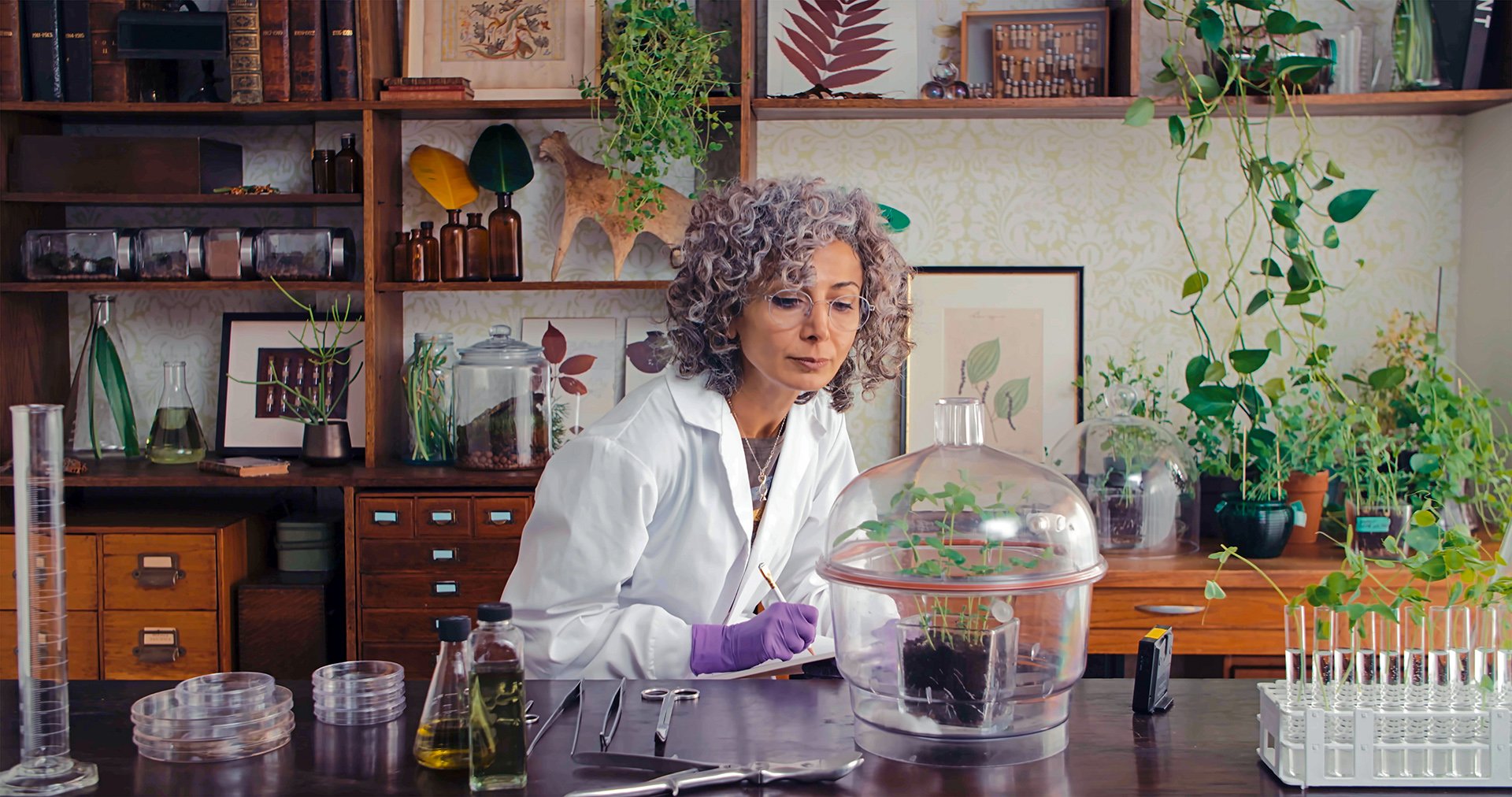
Both fable and ode to plants, The Everlasting Pea is a short film that explores our human relationship with the botanic world. Journeying through ancient ruins, mysterious dreamscapes and ethereal otherworldly plant images, the story moves between a scientist who anaesthetizes a pea plant, questioning plant awareness and our shared evolutionary history, a pea plant that dreams of a time when it lived and thrived in the ruins of the Colosseum in Rome and a colonial doctor who uncovers a botanical mystery. The Everlasting Pea aims to inspire viewers to see plants both culturally and biologically in a new way, and to reflect upon the ecological moment we are living in today.
Su Rynard is a Canadian filmmaker and media artist. Her films—short, long, fiction and documentary—have garnered multiple awards and have screened in film festivals around the globe. Recent work includes: Duet for Solo Piano (2020) a feature documentary film with companion interactive SoloForDuet.ca (2019) on Canadian pianist Eve Egoyan. The Hot Docs Top Ten Audience Choice feature doc The Messenger (2015) contemplates our deep seated connection to birds and warns how their uncertain fate might mirror our own, and Kardia (2005) winner of the prestigious Alfred P Sloan Feature Film Prize, is a dramatic feature about a woman who discovers that her heart operation has mysteriously linked her life with another.
Often inspired by science, art, ecology and the human relationship to the natural world, recent projects include; Don’t Blink (2018) a five part digital series that stretches the boundaries of sight and sound to reveal the wonder of the everyday world, an installation Goldilocks (2020) that explores climatic consequences of water in the goldilocks zone and As Soon as Weather Will Permit (2015) a dual screen projection work that reflects upon one person’s story within the inimitable confluence of events that led to the dropping of the first atomic bomb in 1945.
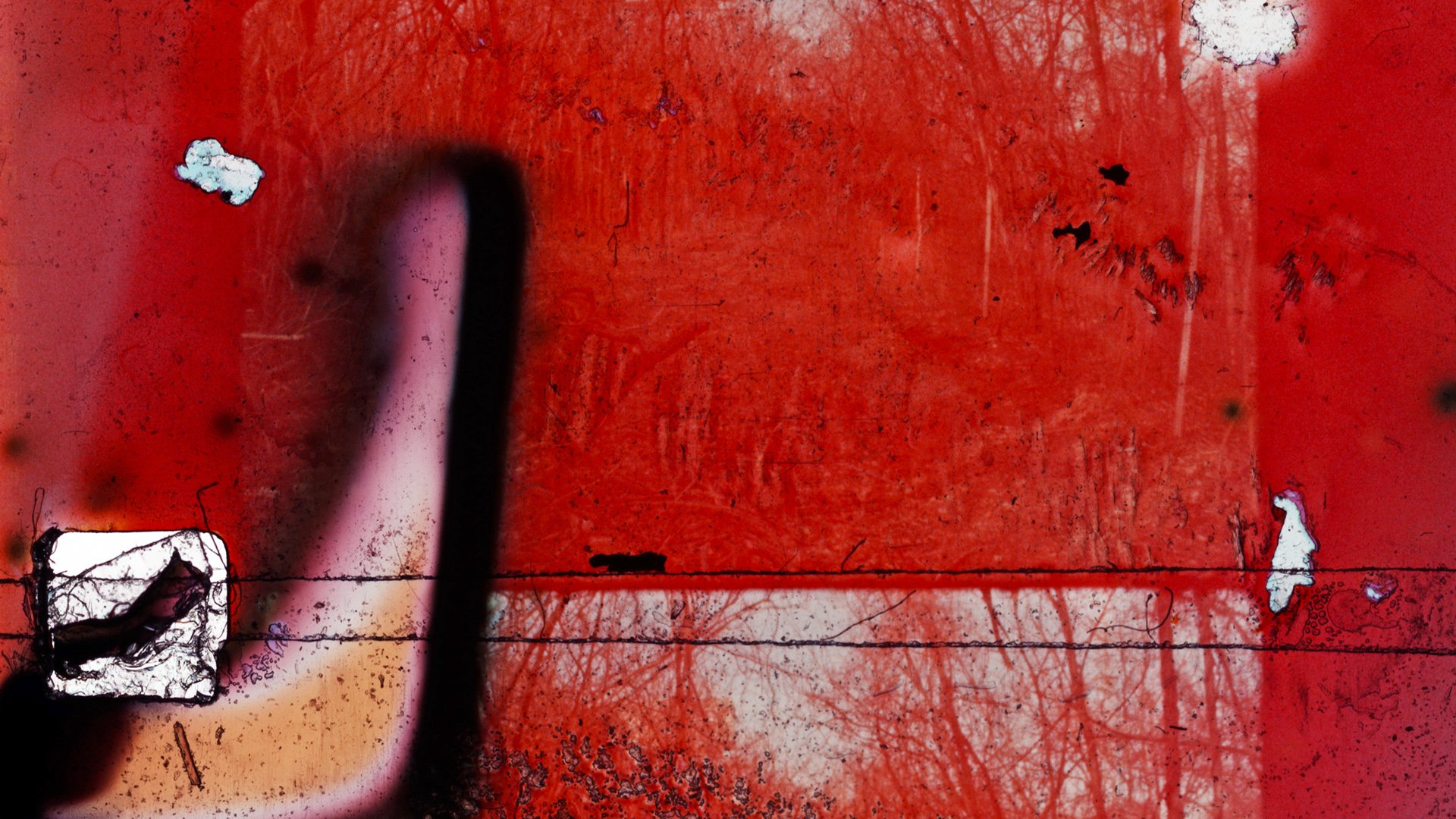
Tuesday | Oct 21 | 8pm
Screening @ Deluge
Super, Natural
Landscape as lament–reclaiming occupied territories via hands-on artivism.

Watch Online Free: Wednesday, Oct 22 (24hrs)
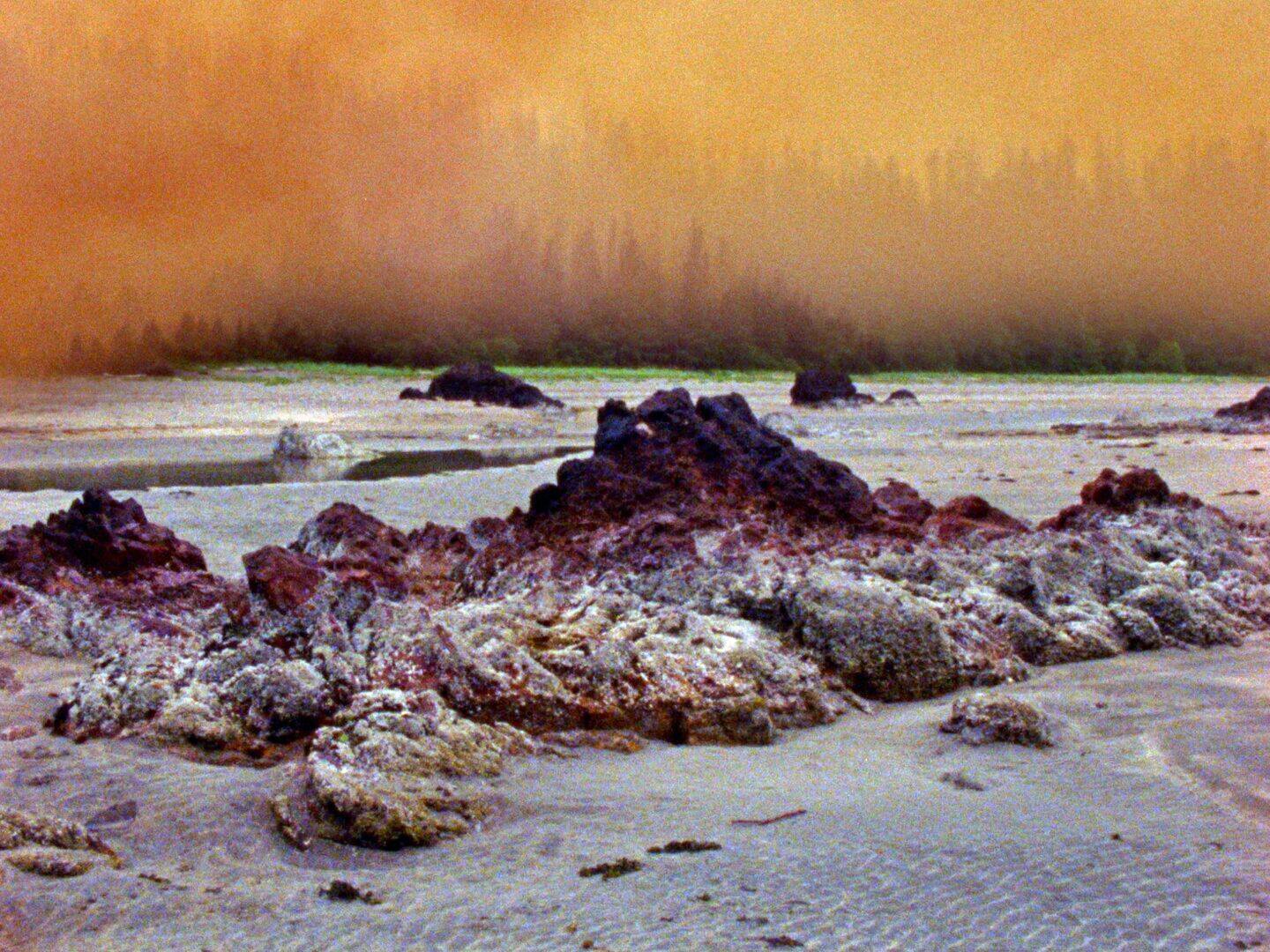
Super, Natural
Kyath Battie | 2025 | Canada | 7 min | W Cdn Premiere
Vancouver Island, supernatural by construct and memory, is experienced through landscapes represented by colonial icons, mysterious brilliant fountains and a curious peacock. A tableaux of sorts, each encounter is singular yet united by stunning and devastated beauty.
Kyath Battie’s work often explores nocturnal spaces and fictionalized encounters, examining the duality of realism and fantasy, through hybrid fiction and intimate non-fiction portraits. Working fluently in 16mm, photo-chemical processes and digital forms, her work often embodies story elements such as tension and anticipation through acute site-specific cinematography and soundscapes. Her work has been shown at festivals and galleries internationally, including Ji.Hlava IDFF (Prague), L’Alternativa Film Festival (Barcelona), Oberhausen Kurzfilmtage (Germany), Edinburgh International Film Festival, Images Festival (Canada), Rotterdam IDFF, National Screen Institute (NSI Canada), WNDX Festival of Moving Image (Canada), Ann Arbor Film Festival (USA), Experimental Film Guanajuato (Mexico), Antimatter (Canada), Yorkton Film Festival, School of Art Gallery (University of Manitoba), Lobocine – Films From the Science New Wave and The Singapore Art Science Museum. Her film Light & Land (2023) was recently acquired by CBC Gem for broadcast and online streaming.
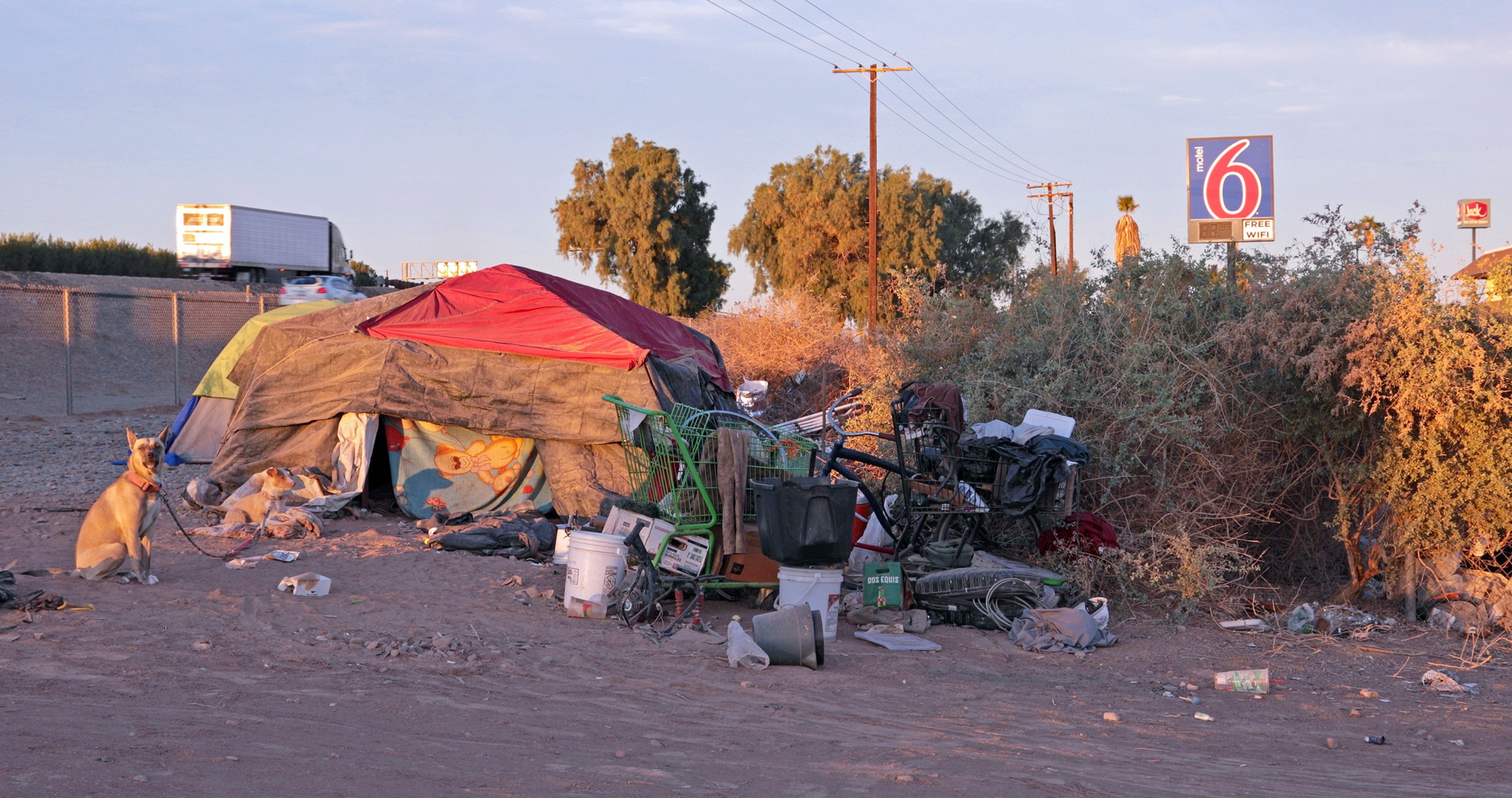
Holiday Out
Isabelle Hayeur | 2024 | Canada/USA | 11 min | Cdn Premiere
Around 172,000 people are homeless in California, accounting for 30% of the country’s total despite the state representing only 12% of the US population. The main causes of this social crisis are a lack of affordable housing, mental health problems and drug use. This human distress is prevalent these days, but it is far from trivial. Homeless people are particularly vulnerable to the effects of extreme weather events such as heatwaves and floods, which can be deadly due to their lack of access to shelter, clean water and healthcare. When I was in the town of El Centro, I met some homeless individuals and captured a few moments of their daily lives on the edge of Interstate 8 and the Sonoran Desert.
Isabelle Hayeur is known for her photographs and her experimental videos. She has also realized public art commissions, several site-specific installations and photography books. Her work is situated within a critical approach to the environment, urban development and to social conditions. She has exhibited at the National Gallery of Canada, Musée d’art contemporain de Montréal, Canadian Cultural Centre in Paris, Tampa Museum of Art, Casino Luxembourg Forum d’art contemporain, Les Rencontres internationales de la photographie à Arles and in several festivals.
Learn More About Isabelle Hayeur’s Work at Automat
The Call
Kelly Sears | 2025 | USA | 7 min | Cdn Premiere
A rebellion has been building for decades. The Call is an eco-revenge film featuring unlikely instigators who were observed and filmed over three years at airports across the United States. This is a call to action.
Kelly Sears is an experimental animator that recasts and reframes American archetypes and institutions to reimagine our own social and political legacy. She views animation as a critical practice; cutting out and collaging as a way to intervene and expand the context of appropriated source materials. Through combining animated photographic and film documents with speculative storytelling, each of her films contains recognizable cultural narratives that take fictional twists, becoming uncanny or fantastic as history merges with myth. Her award-winning films have screened at festivals such as Sundance, South by Southwest, American Film Institute, Los Angeles Film Festival, Off+Camera Film Festival, Poland, Festival International de Films de Femmes de Créteil, France, Tricky Women in Austria and programs of her short work have shown at the Pacific Film Archives in Berkeley, Anthology Film Archives in NYC, The Museum of Fine Arts, Houston, The Portland Art Museum, and the SF Cinematheque. Sears received her MFA from the University of California, San Diego and previously taught at Pitzer College, Scripps College, Rice University and the University of Houston before joining the faculty at the University of Colorado where she is the Associate Faculty Director for Undergraduate Studio Arts in Cinema Studies and Moving Image Arts.
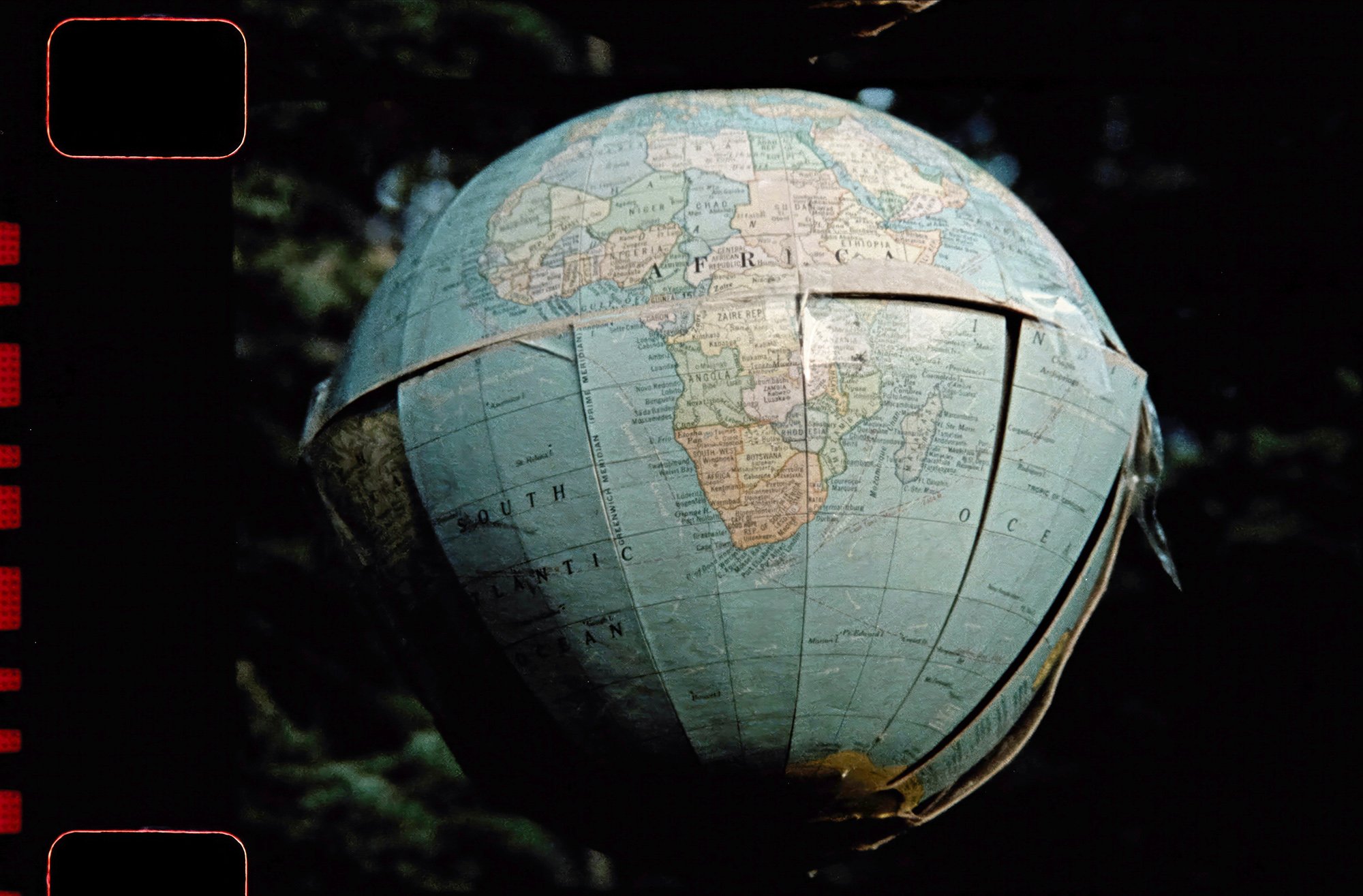
Lament
Jeffery Langille | 2025 | Canada | 4 min | NA Premiere
A lament for a troubled world by means of a cardboard model of the Earth as seen from space.
Jeffrey Langille began filmmaking in the 1990s using Super 8, editing film by hand on his kitchen table. His practice has retained this connection to materiality, including work with tape loops, analog synthesizers and 16mm film. His interests include experimental electronic music, field recording and photography. He attended film school in the 1990s, and completed an MFA at Simon Fraser University in 2015. His work has been exhibited in Canada and internationally. After 25 years in Vancouver, he now lives on the traditional territory of the Tr’ondëk Hwëch’in First Nation, in Dawson City, Yukon.
Learn More About Jeffrey Langille’s Work at Automat
Resonance
Katharina Bayer | 2024 | Austria | 9 min | Cdn Premiere
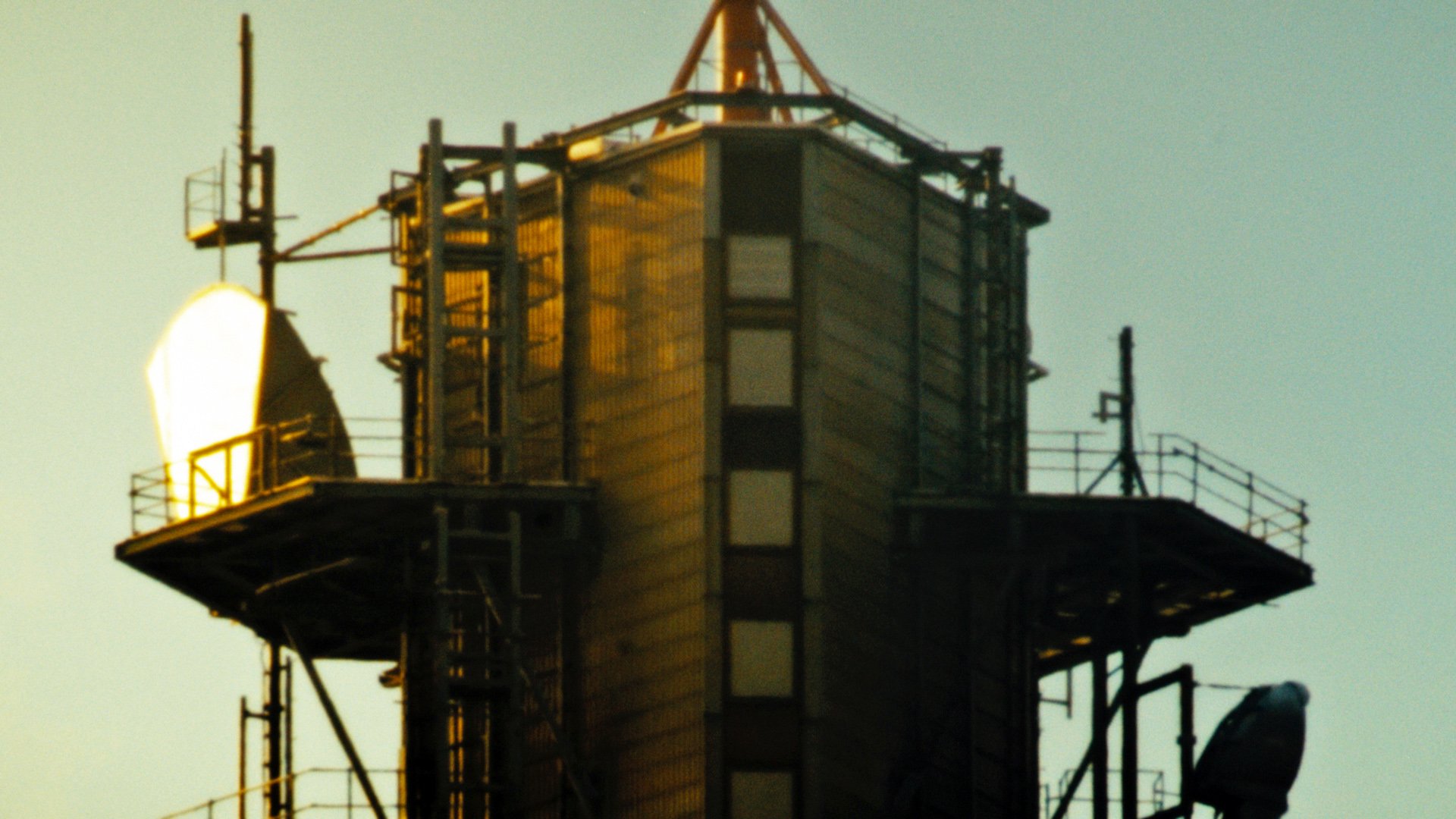
Resonance explores alpine landscapes and the echoes of electromagnetic waves from Switzerland’s abandoned former key broadcasting tower. Through telephoto shots and audible radio waves, the film highlights the lasting impact of this post-war technology.
Katharina Bayer is an artist and filmmaker working at the intersection of architecture, visual art and experimental cinema. She studied architecture at Graz University of Technology, fine arts at the Zurich University of the Arts and the School of the Art Institute of Chicago and film (Expanded Cinema) at the Academy of Fine Arts Leipzig under Clemens von Wedemeyer and Mareike Bernien. Her work has been exhibited internationally, including at the Institute of Contemporary Arts (ICA) in London, Museum Folkwang (Essen), the International Short Film Festival Oberhausen and the Viennale – Vienna International Film Festival.
Erewhon
Charlie Tweed | 2025 | UK | 7 min | Cdn Premiere
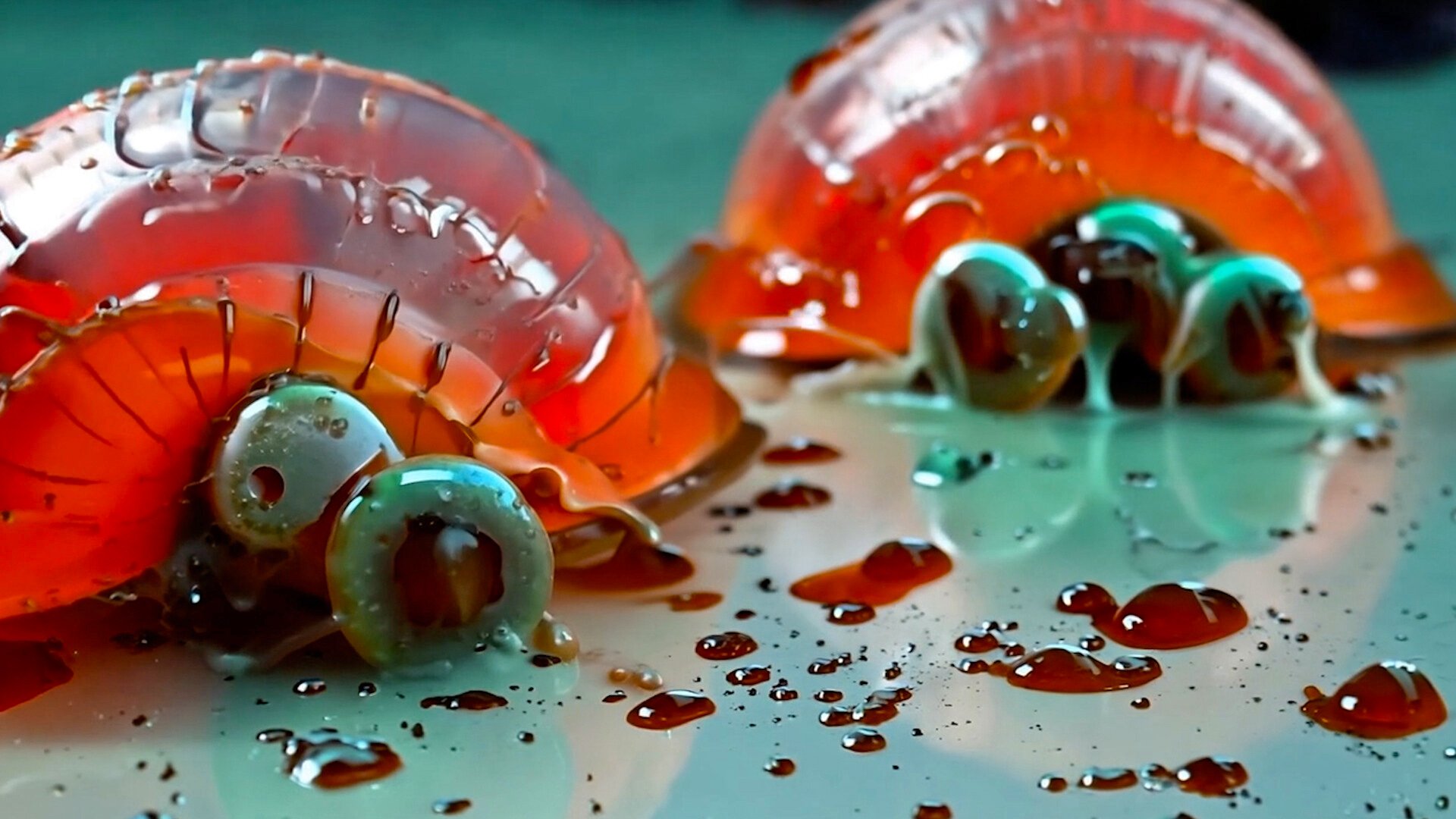
Erewhon takes its title from the 1872 novel by Samuel Butler which depicts a country whose inhabitants have undergone a revolution destroying all machines. The novel was the first to critique the risks of advanced and intelligent technologies, considering notions of replication and machine consciousness. Erewhon was also used by Deleuze as a way of rethinking the concept of what a machine could be, in his reading Erewhon, is not only a disguised no-where but a rearranged now-here. Taking this idea as a departure point, the video proposes a contemporary vision of Erehwon, a speculative island, whose surface is made up of vast piles of broken technologies and the traces of a past hyper-technological community. Like the original story, the technology on the island seems to have achieved its own consciousness and whilst the island is littered with remnants there is something else happening below the surface. The narrators travel down to an old tungsten mine where they find a series of exploratory spaces. Here, rather than technology being used to dominate humans and extract value, it is being reconsidered as a collaborative tool that can offer hope for alternate futures and amalgamations between humans, nonhumans and machines. Various forms of speculative bodies are outlined here, all of them emerging from the waste materials on the surface. The visual material used to depict the island plays on its own instability, pixelating, merging and disappearing, always on the edge of breakdown, poor images that attempt to rethink the possibilities of the machine and its images using forms of speculative recycling.
Charlie Tweed is an artist and academic based in Bristol. His video, text and performance based works interrogate the affective qualities of digital technologies and their use in the control and management of populations and environments. He employs strategies of re-appropriation and speculative fiction, often taking on personas of anonymous collectives and hybrid machines, to outline subversive plans for enhancing and escaping control mechanisms and renegotiating relations between human and non human. His films have been screened internationally at venues including: ICA, London; CCA, Glasgow; Whitechapel Gallery, London; Forum Des Images, Paris; HKW Berlin; Watershed, Bristol; Plymouth Arts Centre; CAFA, Beijing; Quad, Derby; Eastside Projects, Birmingham; Castlefield, Manchester. Tweed has a PhD in art practice (Kingston University) and an MFA in art practice (Goldsmiths College, London).
Chemical Meadows
Nate Dorr | 2025 | USA | 21 min | World Premiere
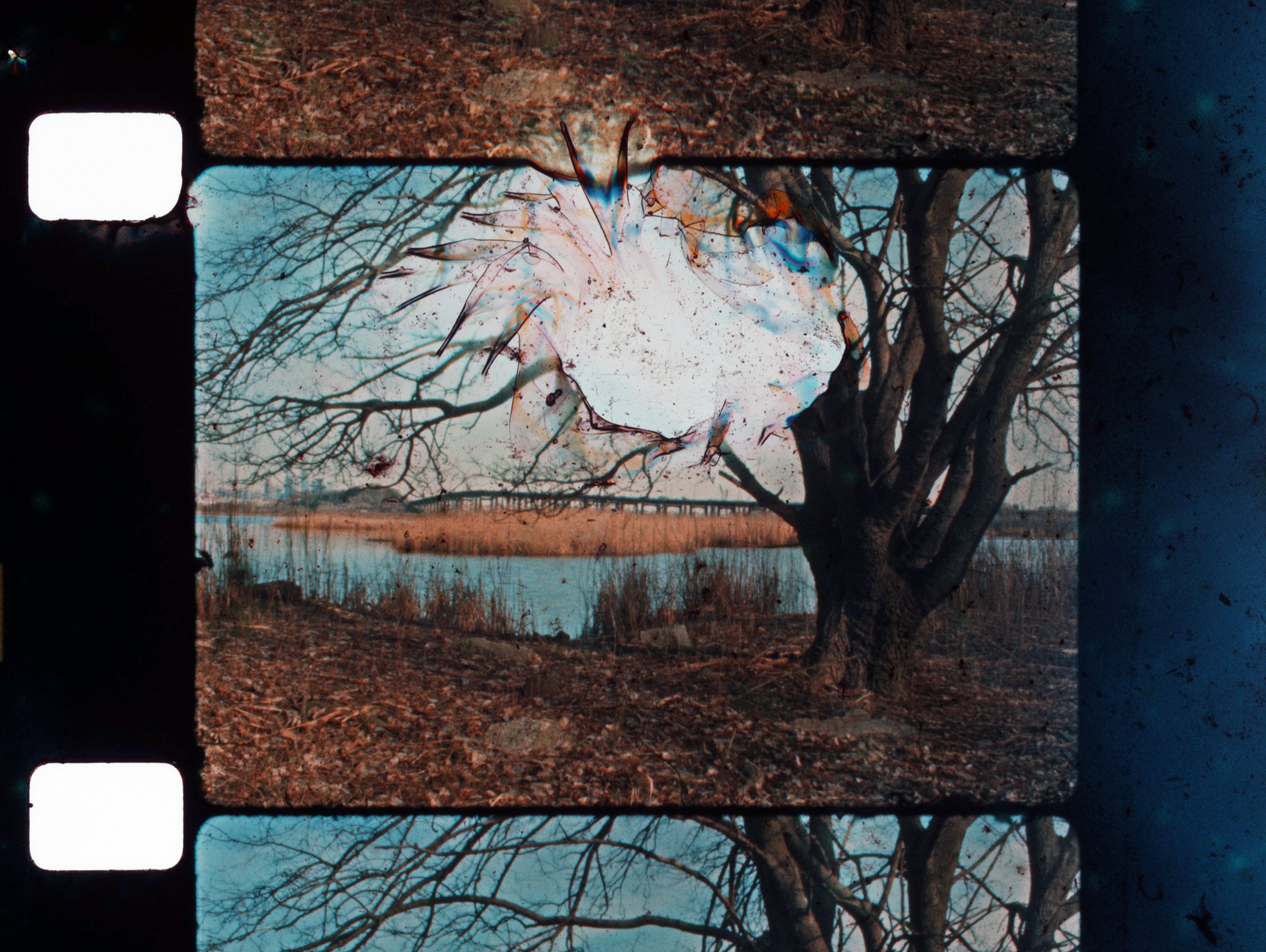
Chemical Meadows is an experimental documentary linking water chemistry and photochemistry in the post-industrial wilds of the New Jersey Meadowlands. A paradoxical estuary wilderness three miles from Manhattan and more than half its size, marred by landfills and chemical corporations yet a recovering haven for wildlife, the Meadowlands are an unexpected breach in the dense development of the mid-Atlantic. This is the story of its waters: a film created by washing 16mm footage in corroding drainage ditches and suspect holding ponds to reveal hidden contaminants, soundtracked largely with underwater hydrophone recordings.
Nate Dorr is a filmmaker and photographer whose work examines the complicated landscapes of the late Anthropocene. Based in Brooklyn, lapsed neuroscientist, habitual wanderer of transitory pseudo-urban spaces.