Tuesday | Oct 20 | 6pm
Screening @ Deluge
Parallel Lands
In-Person Screening: Parallel Lands
Student/Older Adult $6 (use code 25OFF at checkout)
Watch Online Free: Wednesday, Oct 21 (24hrs)
Parallel Lands
Steven Woloshen | 2025 | Canada | 7 min | Vic Premiere
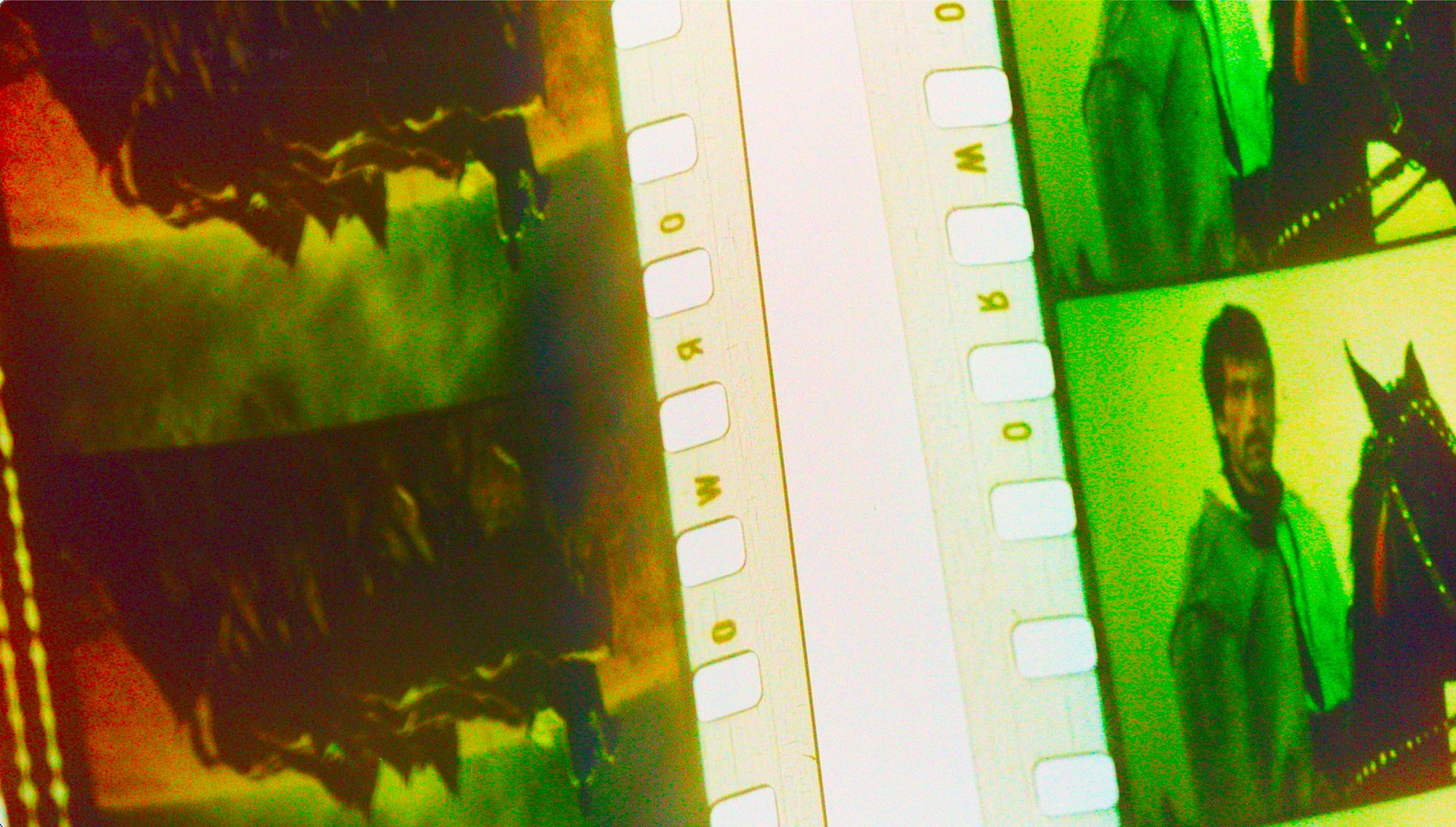
With Parallel Lands, Steven Woloshen repurposes an old 35mm film print of Gypsies Are Found Near Heaven (1976) by Emil Loteanu, a work echoing his family’s own migrational journey from the Ukraine. Meditating on more than 600 years of travel and displacement, Woloshen walks the lengths of the film, treating the act as an experimental performance paralleling that journey. Parallel Lands animates archival material, exploring its corporeal dimensions. The result is a record of this performance wherein Woloshen placed the print on top of IMAX raw stock film in a dark corridor, and walked its length, exposing it to bursts of light.
Steven Woloshen was born in Laval, Canada in 1960. He holds a master’s degree in Fine Arts from Concordia University. For more than 40 years, he has passionately created over 50 award-winning, abstract films and time-based installations for festivals, galleries and museums
The Mirror of Simple Souls
Gina Marie Napolitan | 2025 | USA | 5 min | Cdn Premiere
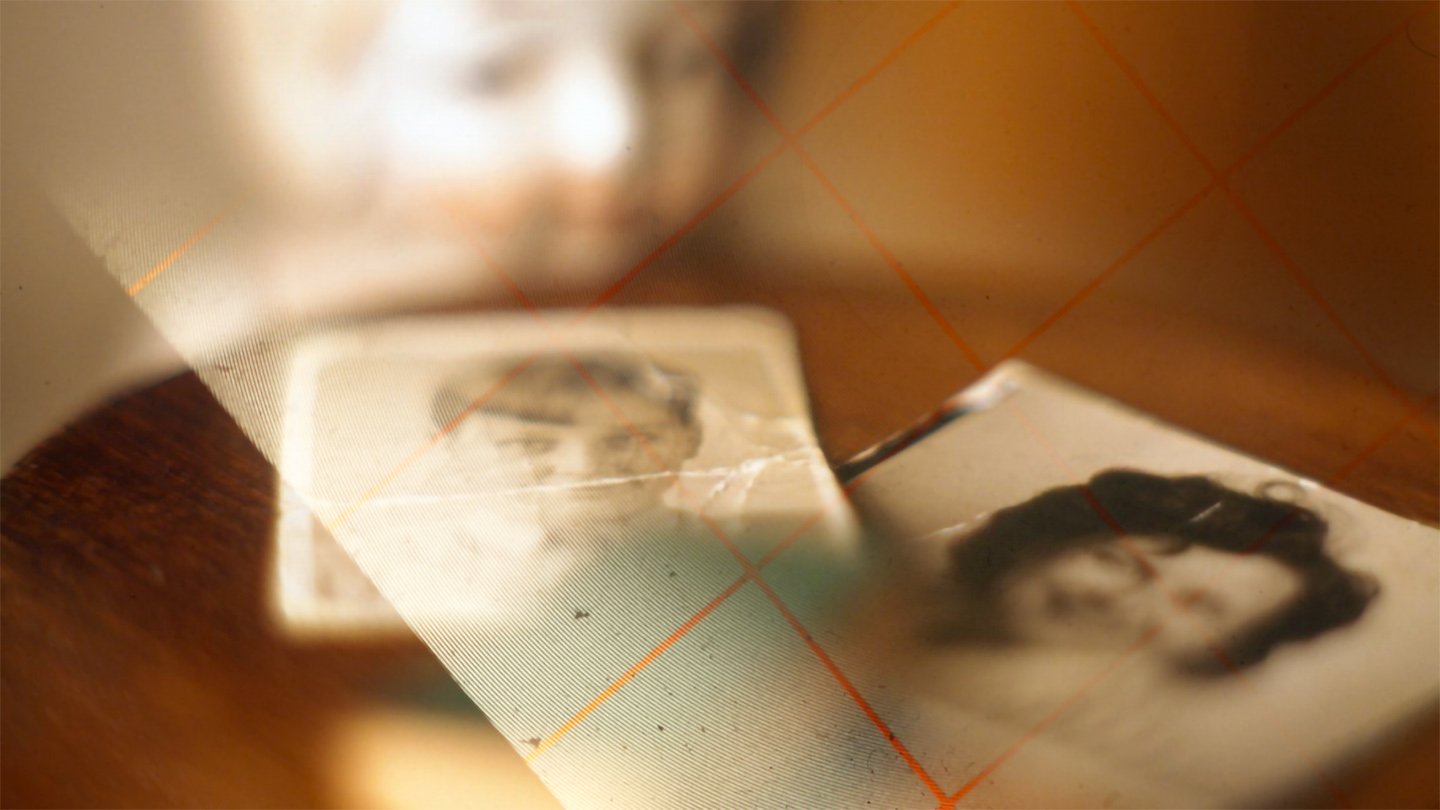
A meditation on family and illness created from a series of looping stop-motion animations, found footage and 35mm colour reversal slides.
Gina Marie Napolitan is an experimental filmmaker, multimedia artist and arts educator originally from Brockton, Massachusetts. Her animated films have been screened at Boston Underground Film Festival, Anthology Film Archive, LA FilmForum, Antimatter, Black Maria and numerous other venues. She received the Princess Grace Foundation Award and has been awarded artist residencies at Echo Park Film Center in Los Angeles, Vermont Studio Center and La Macina di San Cresci in Tuscany, Italy. Gina has also worked as a puppeteer and video designer on experimental theatre productions at REDCAT and Automata. Her drawings, paintings and collages have been shown in multiple galleries and several of her works have been published in the Los Angeles Review of Books print quarterly.
Indigenous Joy
Colleen Simard | 2026 | Canada | 1 min | World Premiere
A First Nations woman asks herself, "What is Indigenous Joy?" A short Super 8mm film, produced as part of the Winnipeg Film Groups’ Super 8 Special Film Incubator.
Colleen Simard is an Anishinaabe, Cree and Swedish artist currently focused on film, painting and installation. She’s a graduate of the University of Manitoba’s Fine Arts (Honours) program and a member of Peguis First Nation.
A Flower Falling Back Into the Earth
Rajee Samarasinghe | 2025 | Sri Lanka/USA | 8 min | W Cdn Premiere
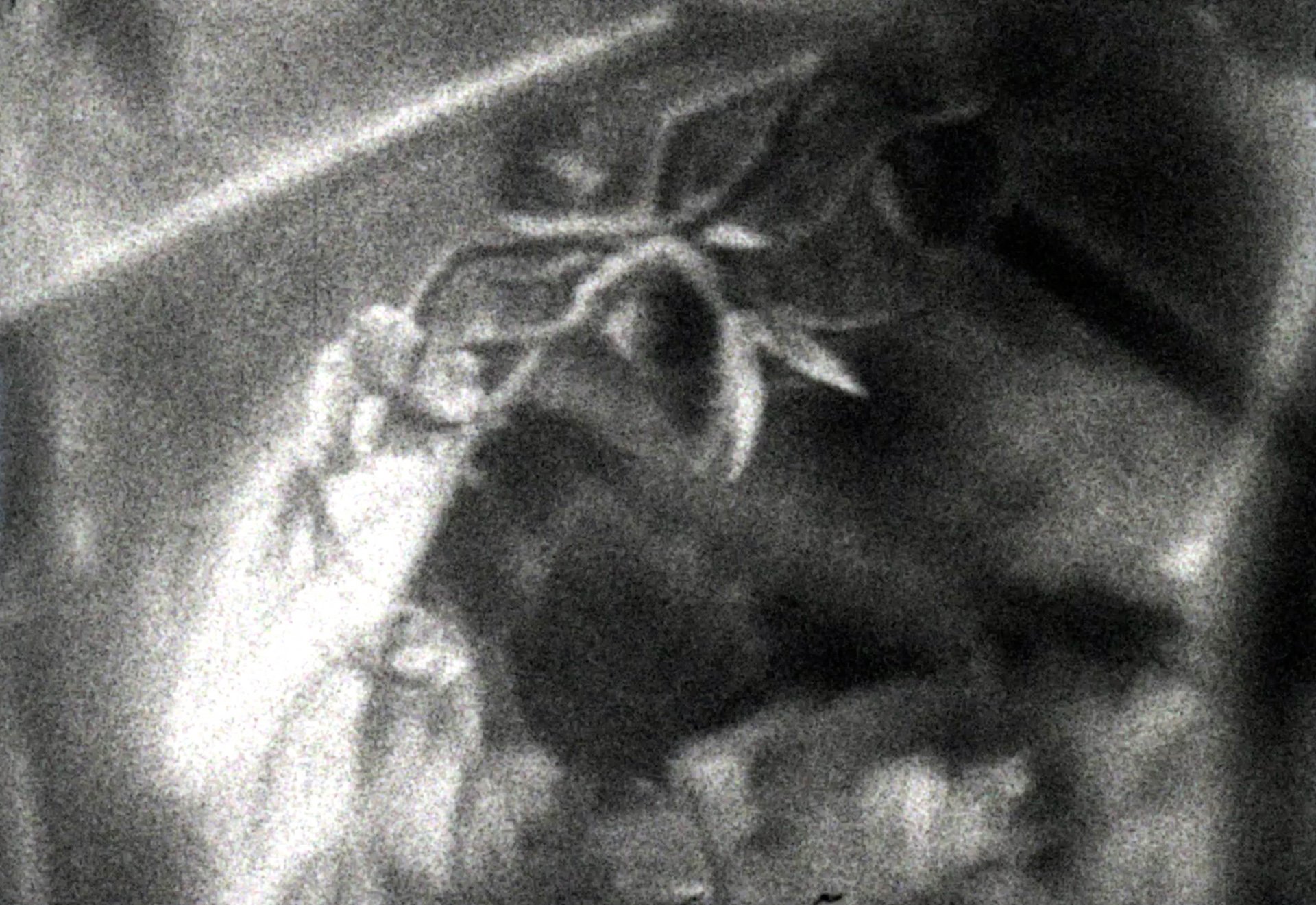
This film emerged from footage originally captured for a feature documentary on enforced disappearances among Sri Lanka’s Tamil population—specifically, an interview with a mother whose son vanished in the war’s final stages. In revisiting this footage, I also revisit the challenges of representing this particular testimony, which eluded me, one that could not be fully conveyed within the framework of the original film. This iteration reshapes the original context, exploring the divide between me and her, the intersection of ethnographic and colonial perspectives and questioning cinema’s ability to bear witness. Through silence, rupture and absence, the film attends not only to what can be shown, but to what remains unreachable, withheld or lost. The text read in the film was sourced from Robert Gardner’s memoir, The Impulse to Preserve.
Rajee Samarasinghe is a Sri Lankan filmmaker and visual artist born and raised amidst the decades-long civil war in Sri Lanka. He received his BFA from University of California San Diego and his MFA from California Institute of the Arts. Much of his work interrogates the sociopolitical landscape of Sri Lanka through the deconstruction of nonfiction modalities and the legacies of colonialism in contemporary media. His practice was born out of a desire to understand the circumstances around his childhood and often navigates the terrain of memory, migration and impermanence.
His debut feature Your Touch Makes Others Invisible won the Truer Than Fiction Award at the 2026 Film Independent Spirit Awards. The project received support from Sundance Institute’s Documentary Film Program, Berlinale Talents’ Doc Station, Field of Vision and True/False Film Festival’s PRISM program and had its world premiere at International Film Festival Rotterdam in 2025.
Samarasinghe's films have been exhibited at venues internationally including Tiger Short Competition at International Film Festival Rotterdam, New Directors/New Films by MoMA and Film at Lincoln Center, MoMA's Doc Fortnight, BFI London Film Festival, FIDMarseille, Festival du nouveau cinéma, Internationale Kurzfilmtage Oberhausen, Slamdance, SFFILM Festival, Melbourne International Film Festival, Vancouver International Film Festival, Guanajuato International Film Festival, BlackStar, CAAMFest, San Diego Asian Film Festival, Los Angeles Asian Pacific Film Festival, CROSSROADS (San Francisco Cinematheque), SFMOMA, Message to Man, Media City, Prismatic Ground, etc.
Language Decay
Zazie Ray-Trapido | 2025 | USA | 3 min | Cdn Premiere
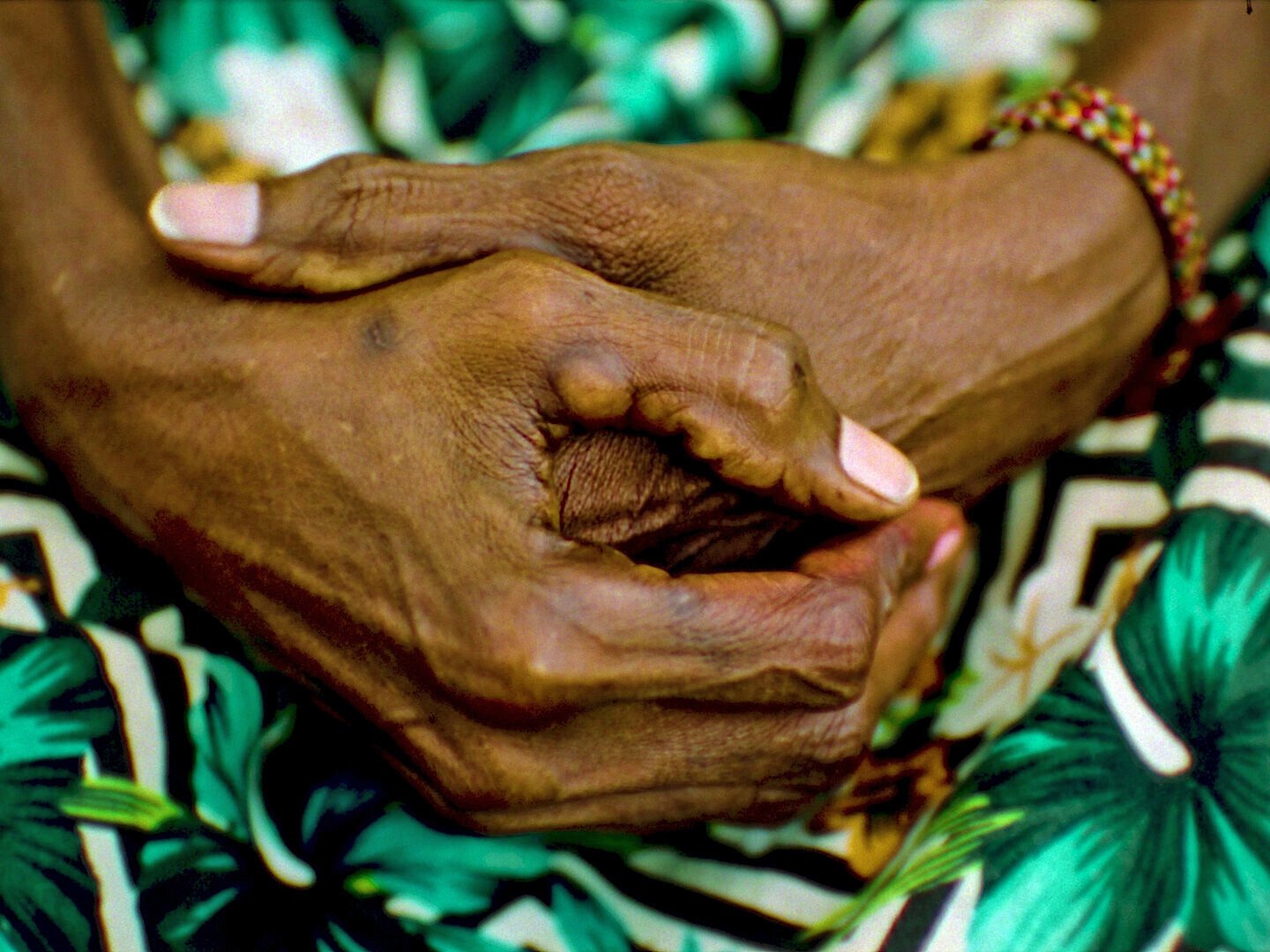
A broken camera captures days with my grandmother. The version of the woman on celluloid is more foreign to her, and the version of herself speaking these languages is more foreign to me, but both are not fully in our grasp and slip away and decay. Time causes disintegration, wherein different variations and versions emerge. My grandmother slowly forgets her native tongue and the languages once spoken, mirroring the movement and transformation of living languages. The act of remembering brings back decomposing versions of past selves. The film intentionally chooses to leave all sequences unsubtitled.
Zazie Ray-Trapido works with documentary, narrative, analog film techniques, archives and performance to investigate relationships between memory, ideology and environment. Her work has screened at festivals worldwide, including New York Film Festival, International Film Festival Rotterdam, Viennale, RIDM, Kasseler Dokfest and Glasgow, among others. She holds a BFA from Bard College and an MFA from CalArts.
Epitaph
Cecilia Araneda | 2026 | Canada | 39 min | Cdn Premiere
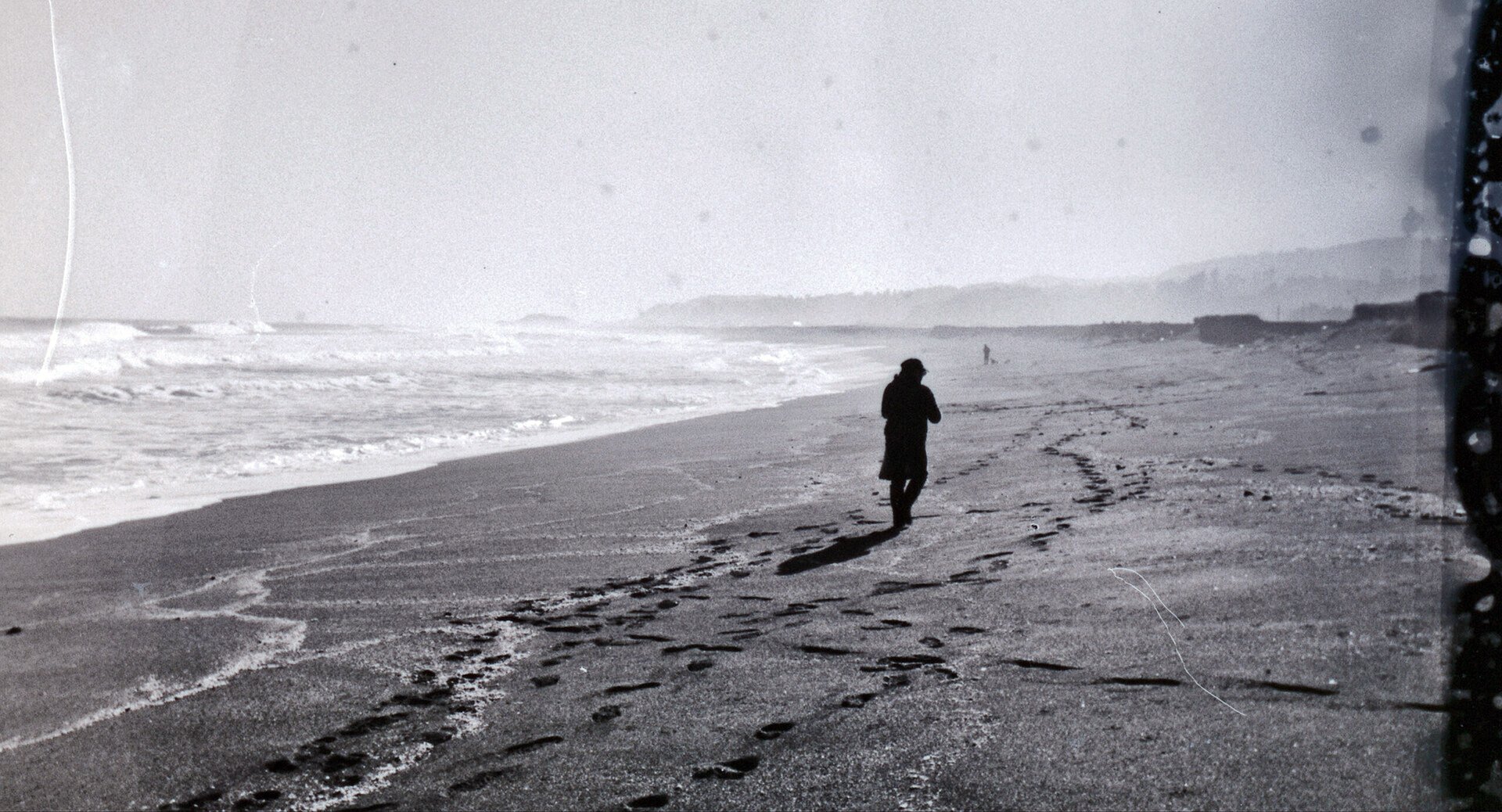
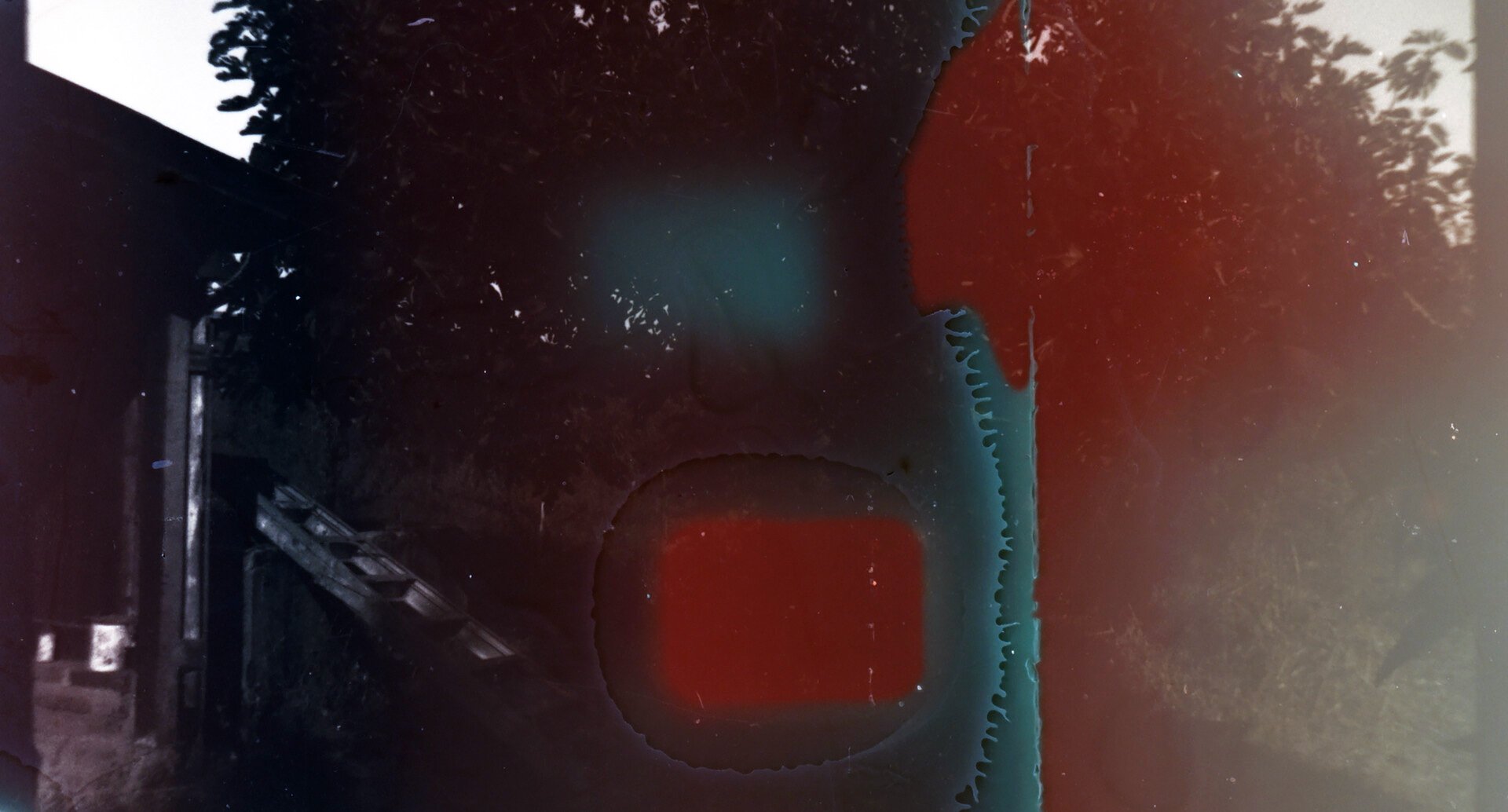
In Epitaph, Cecilia Araneda returns to her long-estranged homeland, eco-processing 16mm film with leaves and fruit gathered around her ancestral home. The flickering, scratched celluloid of its decaying house becomes a medium of invocation, a spectral device that conjures memory. Together with archival and found materials, it weaves a lament for her family’s past and the vanishing landscapes of home.
Chilean-Canadian filmmaker Cecilia Araneda’s works have screened at festivals and venues such as Rotterdam, Visions du Réel, Ann Arbor, Ji.hlava, Uppsala, Festival du Nouveau Cinéma, Images, the Ottawa International Animation Festival and TIFF Wavelengths. Aesthetically, Araneda’s art practice is strongly rooted in the examination of private and public memory as it connects to identity, consciously working against the idea of the fully controlled image. Her family’s experience escaping Chile’s military dictatorship also plays a large role in her body of work.
Tuesday | Oct 20 | 8pm
Screening @ Deluge
MicroMacro
In-Person Screening: MicroMacro
Student/Older Adult $6 (use code 25OFF at checkout)
Watch Online Free: Wednesday, Oct 21 (24hrs)
ODE [An Acknowledgement of Sea Country]
Kirsten Hudson | 2025 | Australia | 6 min | Cdn Premiere
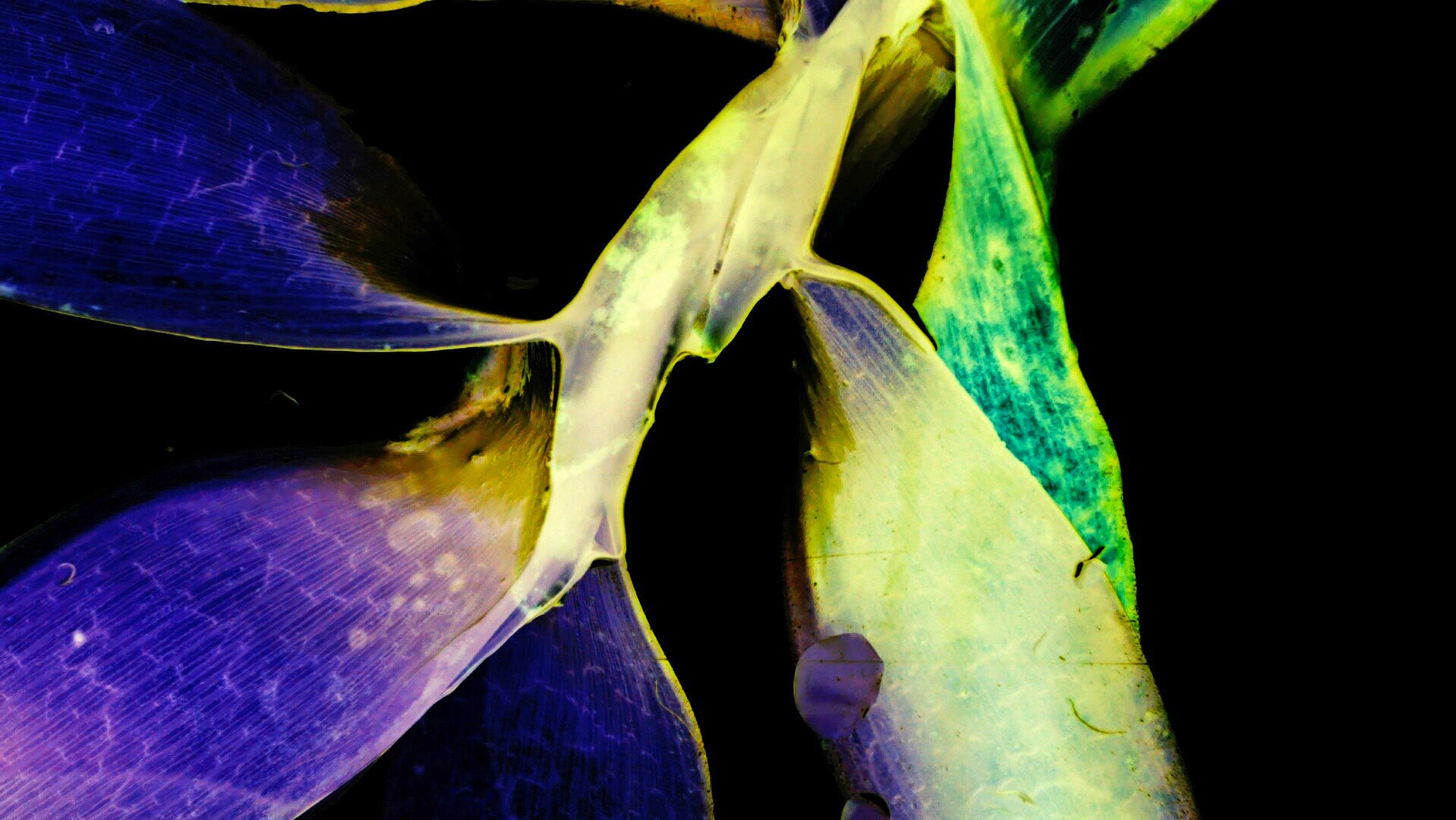
ODE (An Acknowledgement of Sea Country) is a speculative cameraless animation created from handmade, biodegradable macroalgae celluloid. Developed through a research collaboration with scientists from CSIRO and the Indian Ocean Marine Research Centre in Western Australia, the work reimagines cinema as a sustainable, ocean-responsive process.
Over the course of twelve months, seaweed washed ashore Whadjuk Noongar Boodja was respectfully gathered and transformed into agar-based bioplastic film. Each frame was composed using both contact printing and botanicollage, layering native macroalgae into the substrate so that tides, pigments and decay could inscribe themselves into the image over time. The film’s soundscape was generated through bio-sonification, recording the electrical activity of living seaweed via a plant-wave interface, allowing ocean flora to shape the sonic field from within.
Running for 365 seconds—one for each day of the year—ODE unfolds as a durational gesture toward deep, cyclical time. Part cinematic elegy, part ecological offering, it invites the viewer to encounter the more-than-human intelligence of the ocean. Experimenting with what cinema could be in a time of ecological crisis, ODE (An Acknowledgement of Sea Country) merges biodegradable film substrates, ocean science and the sonic agency of seaweed into a cameraless form that gestures toward a post-petrochemical, more-than-human moving image.
Kirsten Hudson creates film, performance and objects that visually register, perform or speculate upon, human, non-human and other-than-human experiences and embodiment. She publishes on subjects such as the experience of maternal loss, ethics/aesthetics of performance, collaborative transdisciplinary pedagogy, bio-art, the materiality of “life” and dystopian literature. Hudson has a PhD in Fine Arts and Cultural Studies and is currently a Screen Arts & Photography lecturer at Curtin University in Western Australia.
Painting Cathedral Rock
Mel Day | 2025 | Canada/USA | 3 min | Cdn Premiere
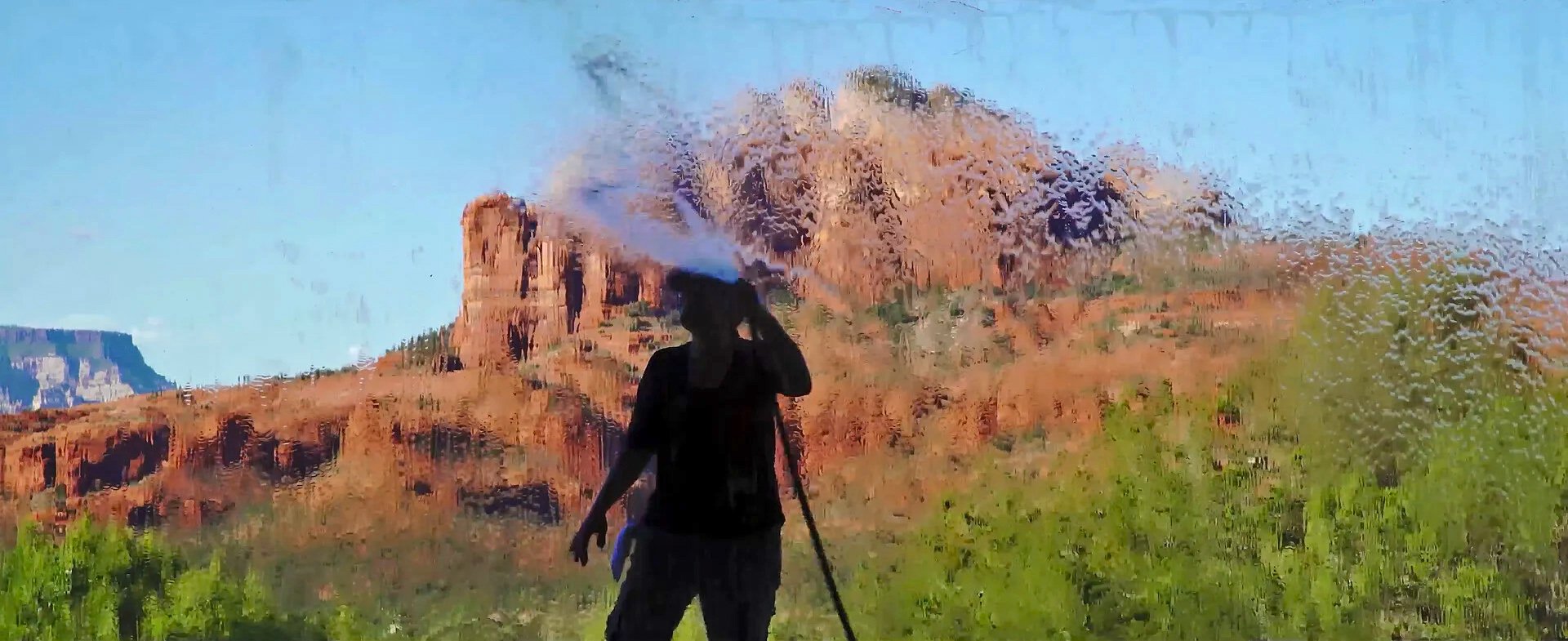
Painting Cathedral Rock is an experimental work in which painting, performance and film converge to explore landscape, ritual, colonialism and the fragile boundaries between spectacle, spirituality and perception.
Filmed at the Gretchen Warren Interfaith Chapel in Sedona, Arizona—centred on the revered vista of Cathedral Rock, a sacred Indigenous site and popular “vortex” destination—the piece unfolds in two acts. In the first, the artist meticulously washes and cleans the chapel altar window, gradually revealing the iconic landscape beyond. The second act sees the artist painting the window with a blend of red earth sourced from the surrounding terrain, simultaneously concealing and unveiling the landscape and dimming the chapel’s interior light. This ritualistic gesture invites viewers to contemplate the duality of sight and the act of looking, while evoking themes of erasure and revelation.
Originally conceived as a three-part performance—washing, painting and cleansing—the work evolved over nearly a decade. The piece was ultimately distilled into a two-part, single-channel video, reflecting on the complexities of viewing, responsibility and the coded histories embedded within the act of looking. The third section, a cleansing, felt wrong—”too redemptive, too easy,” Day notes. “Returning to it in 2025, I understood that the unresolved middle was the work: what we are entitled to look at, what we are responsible to in our looking, what is already encoded there—white supremacy, colonialism, erasure, unsettled histories, precarious lands. My own spiritual ‘unknowing’ had opened, slowly, into a reckoning with other kinds of unknowing.”
Mel Day is a Canadian artist based in San Francisco whose practice spans video, film, performance, painting and community engagement. Her work has screened and exhibited at Yerba Buena Center for the Arts, San José Museum of Art, Berkeley Art Museum and internationally. Honours include Headlands Center for the Arts Alumni New Works Award, Silicon Valley Artist Laureate Nexus Award and residencies with Stanford University, Oberpfälzer Künstlerhaus (Germany) and a LARP Guest Fellowship at Montalvo Arts Center. Day holds an MFA from UC Berkeley.
La Marea
Andrea Franco | 2025 | USA | 11 min | Cdn Premiere
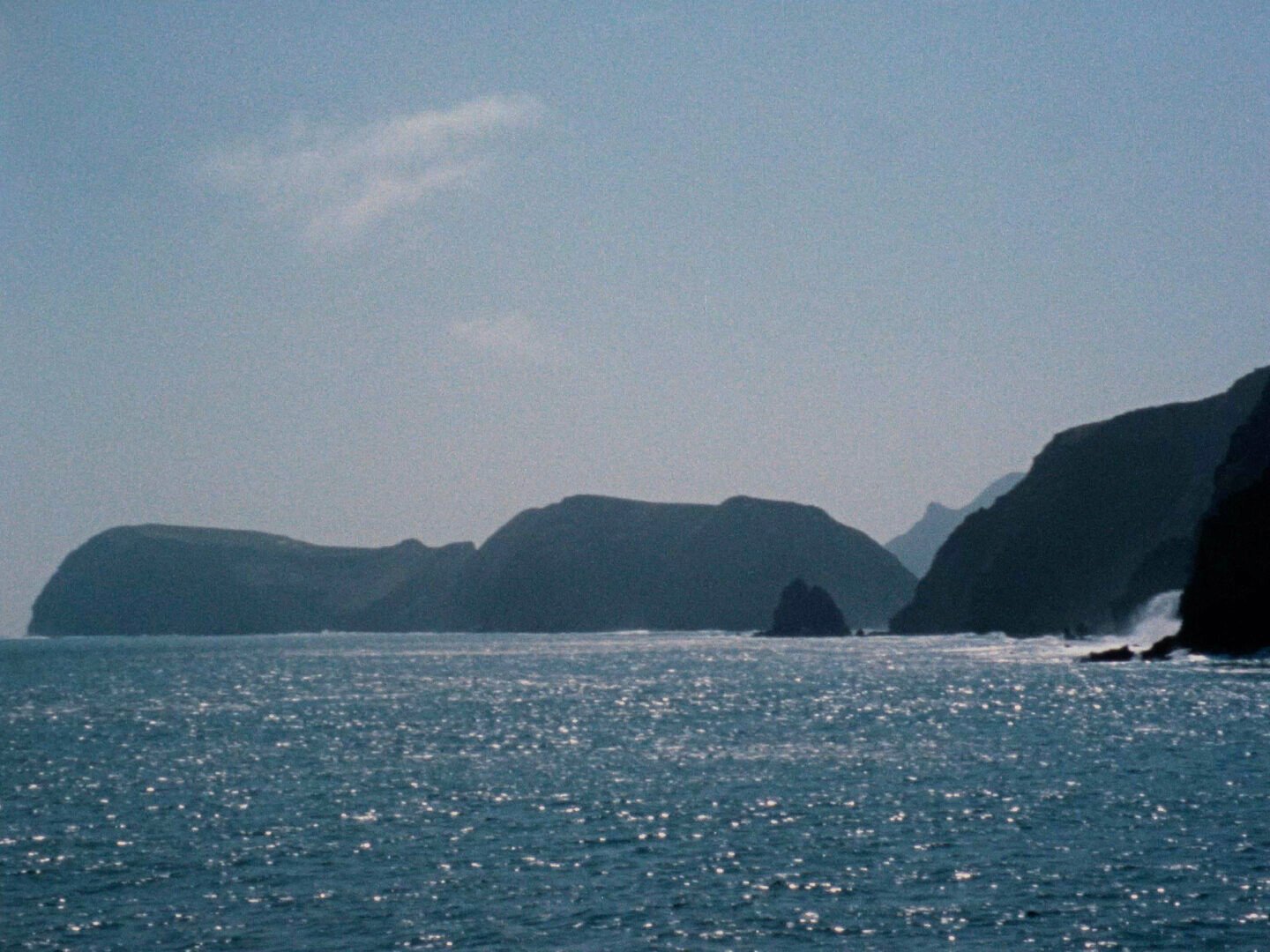
Tracing the waters of the Santa Barbara Channel and the passage surrounding the Channel Islands, guided by the belief of many coastal tribes that souls of the dead travel west over the ocean, La Marea explores the sea as a threshold between the living and the departed. Through tides, light and shifting currents, ancestral cosmologies intertwine with contemporary stories of exile and return.
Created in dialogue with Bryan Senti’s musical composition, part of a larger body of work inspired by his father’s exile from Cuba by sea, La Marea carries these oceanic crossings into a shared reflection on displacement, remembrance and the invisible forces that continue to move through us.
Andrea Franco is an artist and filmmaker born in Lima Peru, now based in Los Angeles CA. Her work explores the connection between the ocean and her ancestry, drawing on the sea’s emotional, cultural and mythological weight. Franco’s interdisciplinary practice delves into the mystical and symbolic dimensions of water, drawing on its role as a silent witness and guardian of mysteries. Rooted in cycles of nature and memory, her works invite a contemplative encounter with inner landscapes, the cosmos and the unseen.
Her films and artworks has been exhibited in institutions and festivals such as Guggenheim Museum (New York), Pacific Standard Time (Los Angeles), Museum of the Moving Image (New York), Museo de Arte de Lima, Matadero Madrid, Flaherty Seminar (New York), REDCAT (Los Angeles), Los Angeles Contemporary Exhibitions, Cineteca Nacional de Mexico, Museo Metropolitano de Lima, Lima Film Festival. Franco is recipient of the Best National Film Award at Lima Alterna Film Festival 2021. She received her MFA from California Institute of the Arts.
Ignis et Glacies
Dan Sokolowski | 2025 | Canada | 2 min | BC Premiere
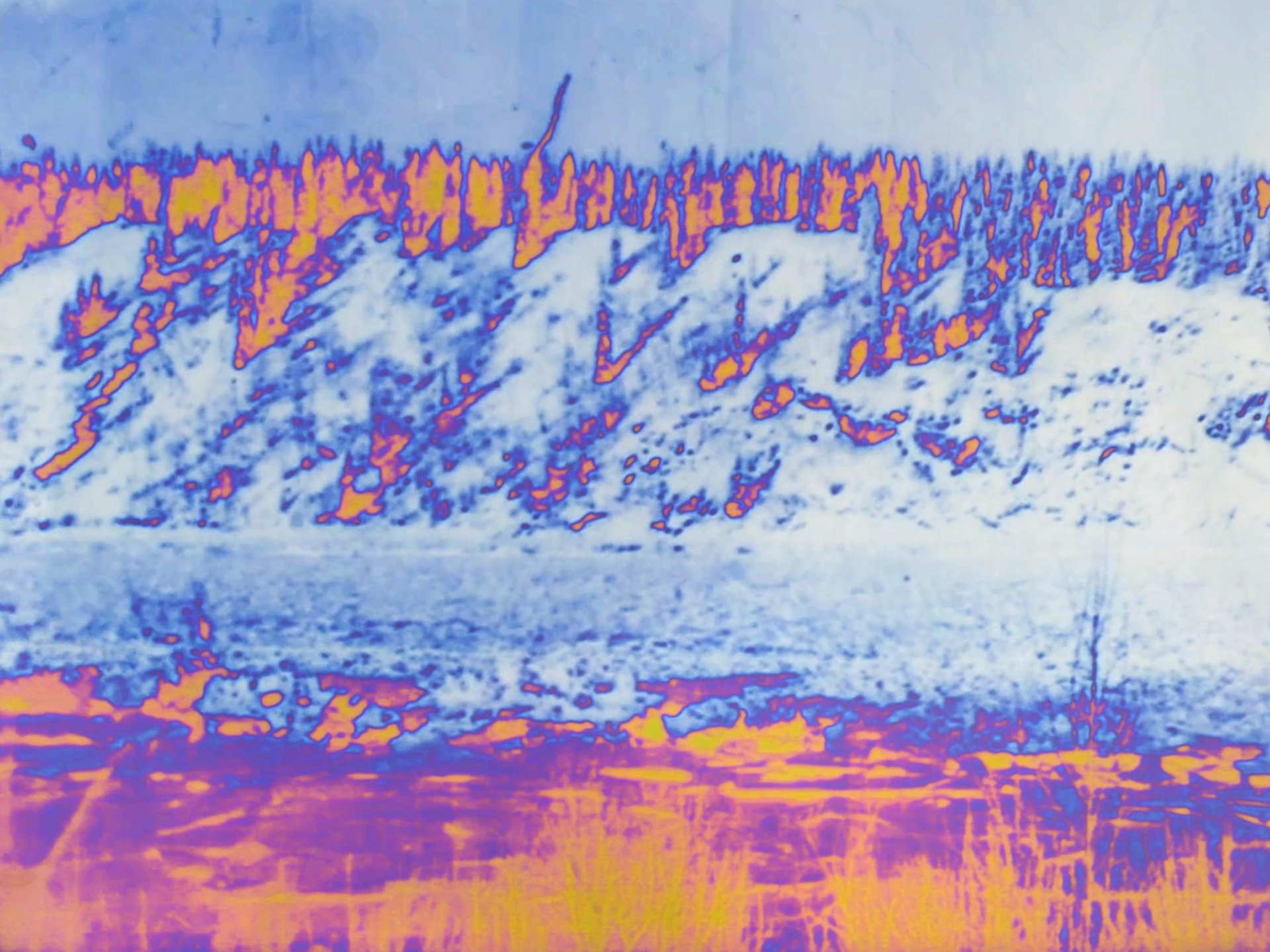
The Yukon River at Dawson City (Tr'ondëk Hwëch'in) on November 15, 2025. The ice has covered the river but not memories of summer fires.
Filmed in 16mm, Developed with sunflower developer. Phytograms with mint, parsley, rosemary, thyme and spider plant. Made for the Yukon48 Film Challenge.
Dan Sokolowski currently lives in Dawson City, in Canada's Yukon, and was formerly the producer of the Dawson City International Short Film Festival. He has taught courses in 16mm filmmaking, animation and studio arts. He was a board member of the Independent Filmmakers Cooperative of Ottawa, the Canadian Film Institute and the Yukon Film Society. He is currently a member of the Dawson City Arts Society and the Yukon Film Society. His films have been shown at many film festivals and film events locally, nationally and internationally and have received support from the Canada Council, Ontario Arts Council, CBC, IFCO the Klondike Institute of Art and Culture and the Yukon Film and Sound Commission.
Cimes
Charlie Marois | 2025 | Canada | 12 min | W Cdn Premiere
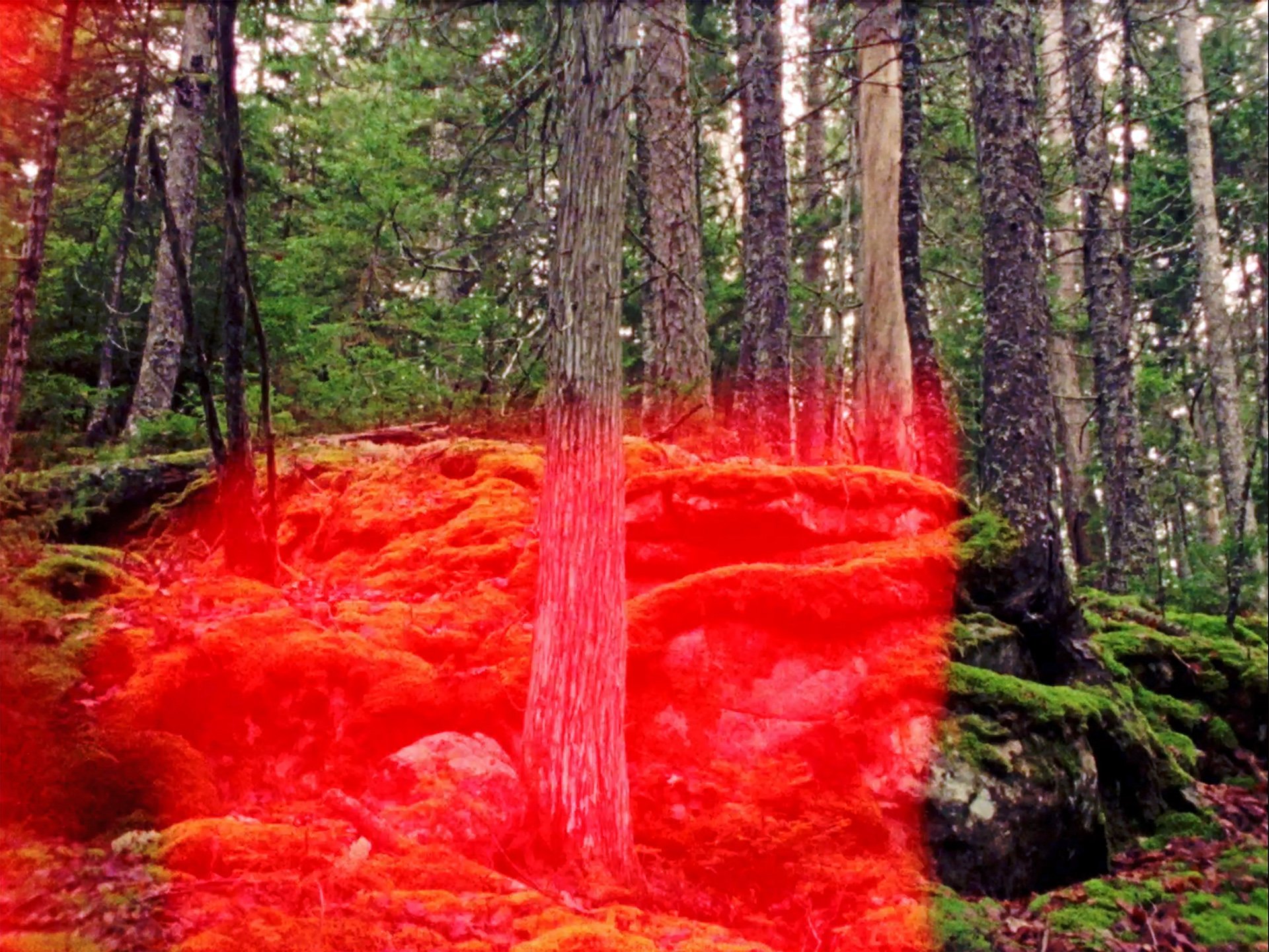
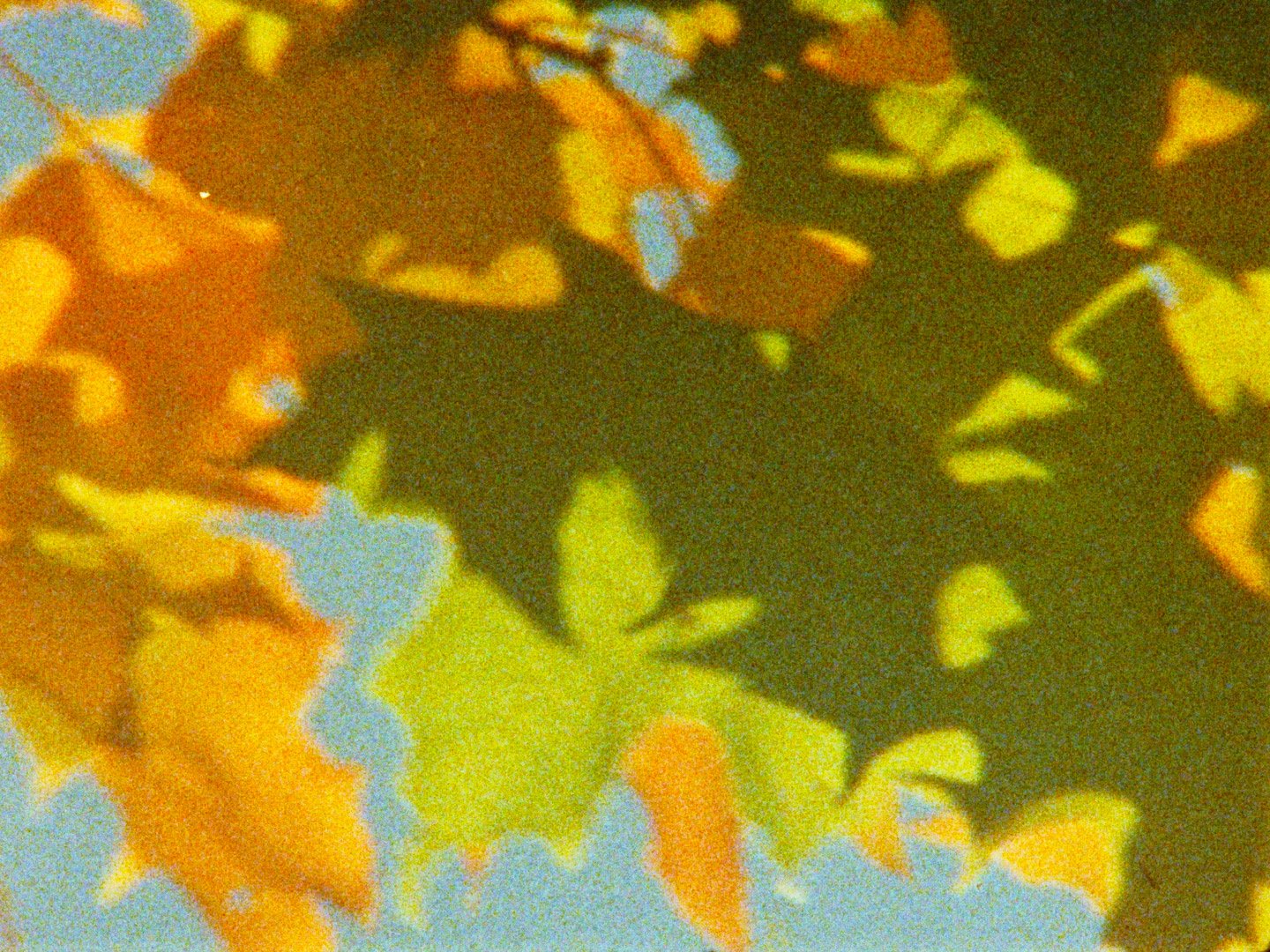
An impressionistic exploration of the forest canopy, this frame-by-frame film deploys a chromatic arborescence of thousands of leaves, branches and flowers. Shot in Super 8 over four seasons, the project captures the metamorphosis of tree tops over time. The fast-paced, pulsating rhythm, on the verge of abstraction, dislocates the gaze and invites a sensory experience somewhere between contemplation and vertigo, leaving us in a state that is both attentive and elusive. Somewhere between fragmentary documentary and formal research, the film offers a renewed look at nature and the cinematic medium.
Charlie Marois lives in Montreal. He graduated from Concordia in film production in 2012. Since then, he has been creating moving images through a formal and sensitive approach. His films have been screened in various festivals in Montreal and abroad.
MicroMacro [Motorized vs Handheld]
Mona Kasra | 2025 | Iceland/USA | 4 min | Cdn Premiere
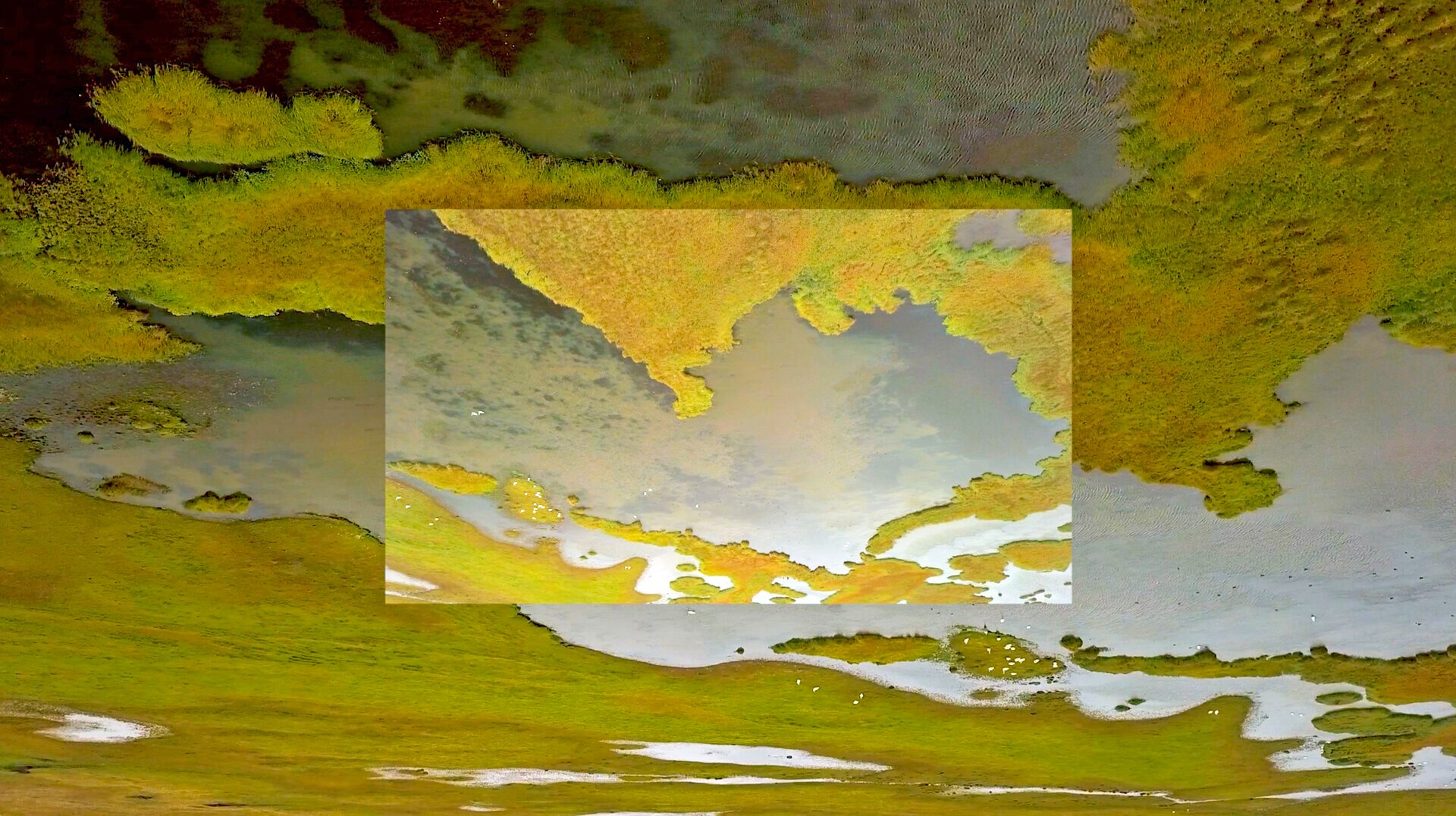
MicroMacro (Motorized vs Handheld) examines the fragile threshold between perception and scale, between the mechanical eye and the human hand. Filmed entirely by the artist in remote regions of northern Iceland, the work moves between two contrasting modes of seeing and experiencing: the expansive reach of aerial drone footage and the intimate, unstable proximity of microscopic imagery. Together, these perspectives trace a continuum from surveillance to touch, from estrangement and detachment to texture, vulnerability and participation.
The landscapes in this piece are harsh, beautiful and indifferent—spaces that resist habitation and deny comfort. Their unwelcoming nature evokes both awe and unease, foregrounding a tension between attraction and exclusion. Within this resistance, the artist locates a personal sense of dislocation: a recurring search for belonging in places that refuse it. Filming becomes a way of inhabiting, however briefly, terrain that cannot be possessed, mastered or fully understood.
The motorized precision of the drone contrasts with the embodied instability of handheld microscopic footage, revealing two distinct modes of encounter. One is controlled, distant and systematic; the other searching, tactile and contingent. Their interplay opens a dialogue between control and surrender, technological mediation and intimacy.
Through its oscillation between the near and the far, MicroMacro (Motorized vs Handheld) invites viewers to explore these shifting scales of perception.
Mona Kasra is an Iranian-American new media artist, designer and interdisciplinary scholar. Her research examines the political and theoretical implications of visual media technologies both within and across cultures, while her creative practice explores the expressive and improvisational possibilities of emerging media within contemporary art forms.
Kasra is an Associate Professor of Digital Media Design at the University of Virginia, where she teaches courses in digital art, projection design and creative technology. Her artwork has been exhibited in galleries and film festivals across the United States and internationally. In addition to her creative work, Kasra has served as a juror, curator and programmer for exhibitions, festivals and conferences. Her projection and interactive media designs for live performance have received two Helen Hayes Award nominations in the category of Outstanding Projections/Media Design.
Tides
Adam Sekuler | 2026 | USA | 22 min | Cdn Premiere
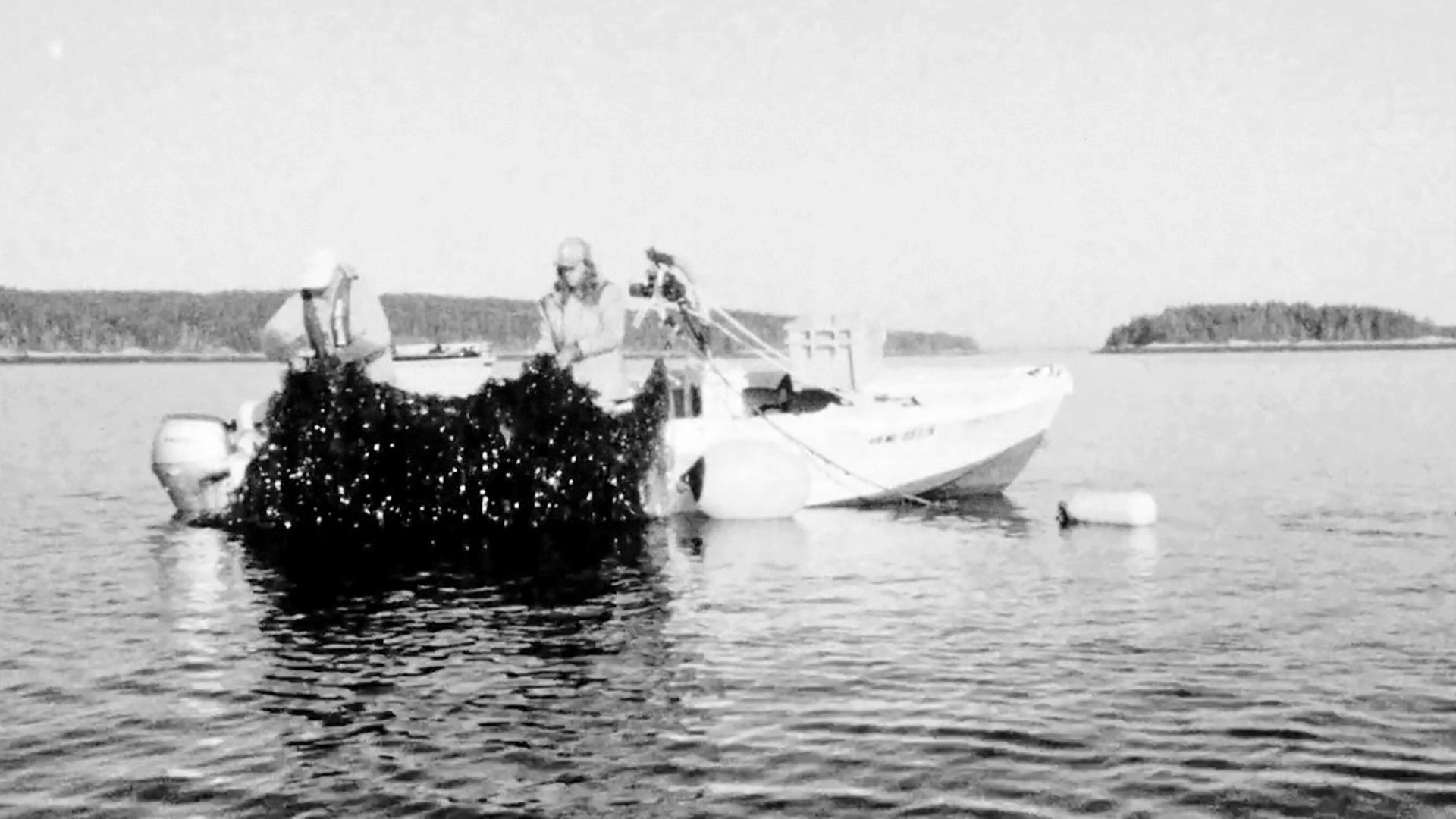
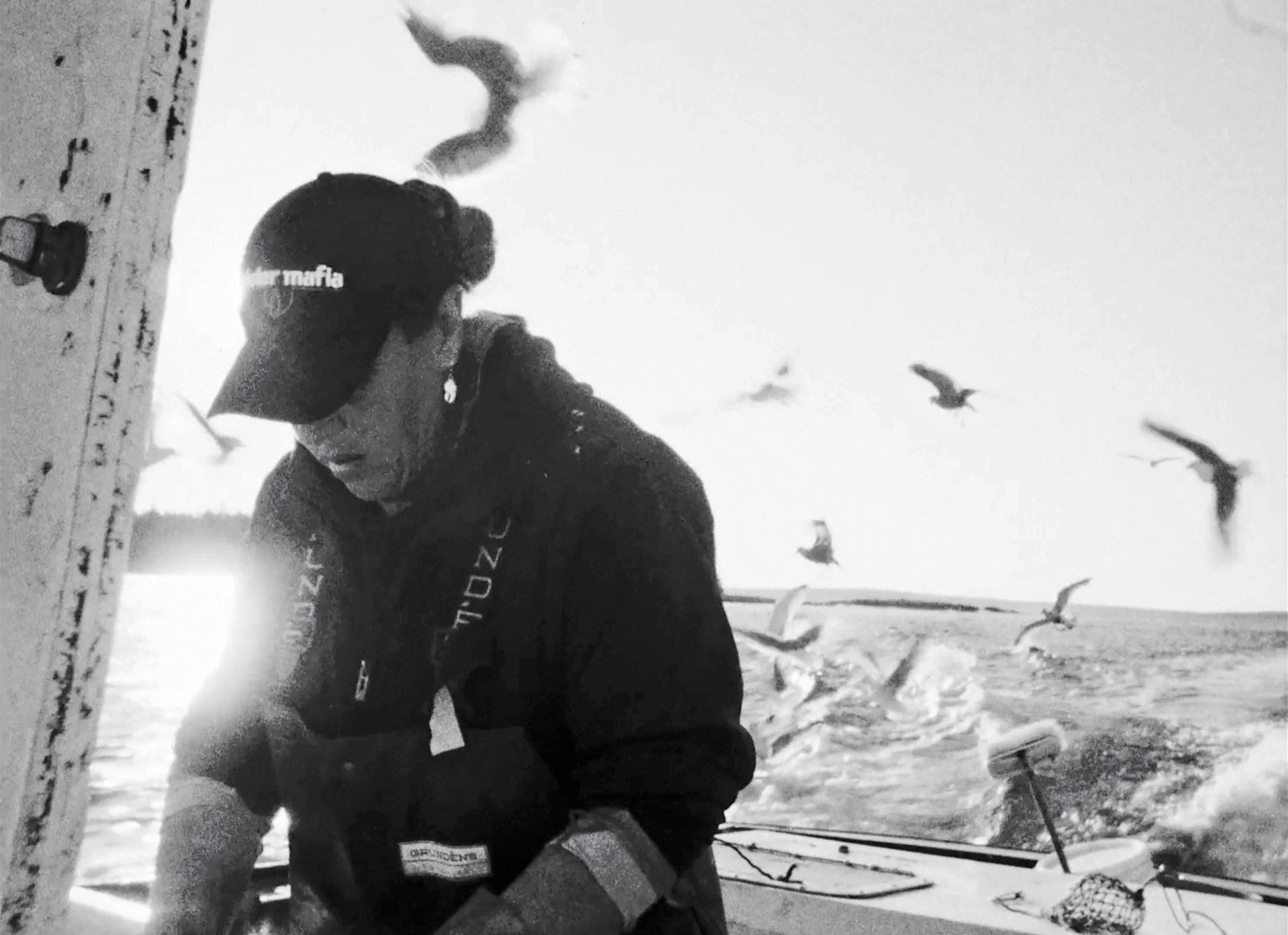
Tides observes the daily rhythms of lobstermen and kelp harvesters on Swan’s Island, Maine, where time is measured by tides and weather. Without dialogue or narration, the film immerses viewers in the tactile, sensory world of maritime labor: setting and hauling lobster traps, sorting the catch, lifting kelp from the water. There are no protagonists here, not even among the workers themselves. Instead, the film offers an attentive, quietly reverent portrait of labor as a collective practice, marked by moments of care, precision and tenderness that emerge through repetition. By focusing on these elemental gestures, the work uncovers the quiet knowledge and endurance passed down through generations, offering a contemplative study of human interaction with the environment and the unspoken practices that sustain a community.
Adam Sekuler is a filmmaker, curator, educator and editor. Screening in forums and film festivals throughout the US and internationally, his many alternative films strike a delicate balance between stylization and naturalism, creating a poetic and lyrical form of visual storytelling. His feature length documentary Tomorrow Never Knows won the Radical Empathy Jury Award at Chicago Underground Film Festival where his film 36 Hours also won the Carolee Schneemann Award.
He holds an MFA in Studio Arts from University of Colorado, Boulder, is Founder and Programmer of Radar: Exchanges in Dance Film Frequencies and was Program Director for Northwest Film Forum. His work has screened at BFI, International Film Festival Rotterdam, Film Society of Lincoln Center, Anthology Film Archives, Walker Art Center, Seattle Art Museum, Museum of the Moving Image and dozens of other venues around the globe.